Advance Pay Apps Cost Users Nearly $208 Annually in Fees and Tips
A new analysis reveals that while millions of Americans rely on earned wage access tools to bridge pay gaps, the average user incurs nearly $208 in annual fees. The report attributes this hidden cost burden to the stacking of loans and high-equivalent interest rates driven by app-based 'tips' and membership charges.
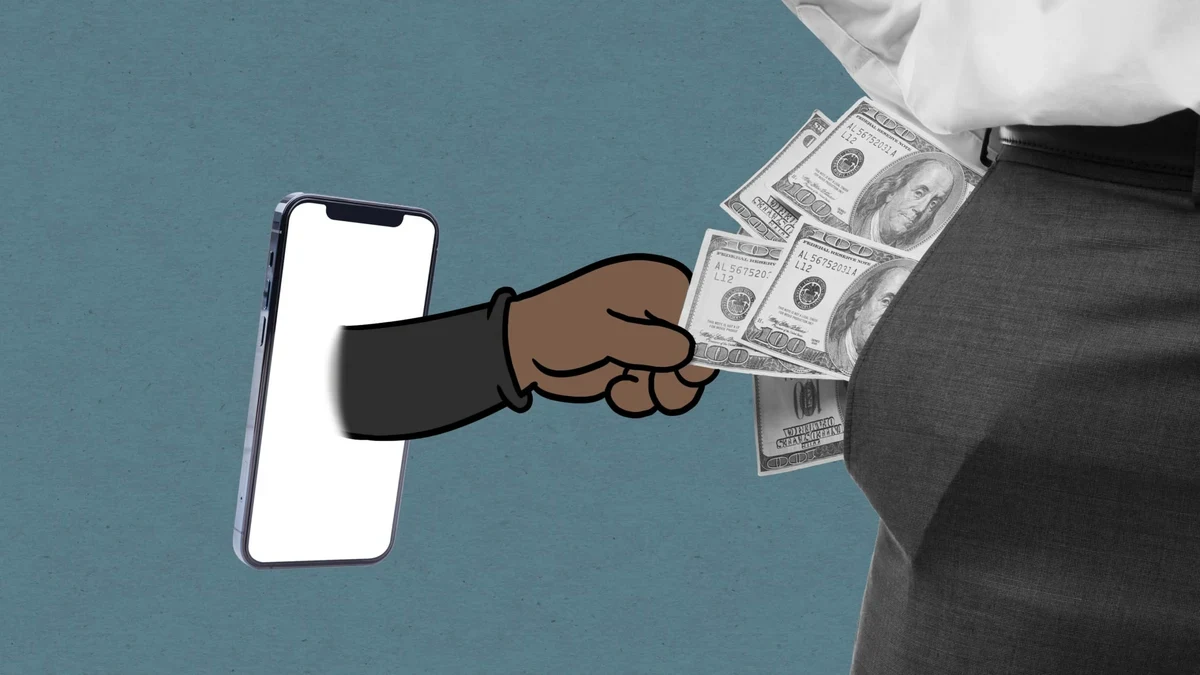
The Center for Responsible Lending’s Julian Bond Institute released an analysis indicating that 96% of direct-to-consumer payday loan apps include fees or voluntary “tips.” For the average user across a sample of 10,000 consumers, these charges amount to approximately $208 annually, or $17 per month, which offsets the convenience of accessing wages early.
Despite marketing these tools as fee-free alternatives that avoid credit checks, the report found that the costs of rapid transfers and membership options drive the effective Annual Percentage Rate to 232%. This figure is nearly equivalent to the loan rates offered by traditional payday lenders, creating a significant financial burden for the more than 10 million Americans utilizing these services as of 2024.
The widespread use of these apps has contributed to a pattern known as loan stacking, where consumers simultaneously hold multiple short-term loans. According to the Consumer Financial Protection Bureau, over 60% of buy-now, pay-later users had simultaneous loans in 2025, a behavior that increases the risk of delinquency and missed payments for users who typically have subprime credit scores.
Sources1
Original reporting and primary evidence.
Claim connections4
An analysis by the Center for Responsible Lending’s Julian Bond Institute of bank transactions from 10,000 consumers found that 96% of direct-to-consumer versions of payday loans included fees or tips, amounting to nearly $208 per year on average.
confirmedConnected sources1
The costs of rapid transfers and membership options drive the effective Annual Percentage Rate to 232%, which is nearly equivalent to traditional payday lender rates.
confirmedConnected sources1
As of 2024, more than 10 million Americans used some form of earned wage access or on-demand pay tools.
confirmedConnected sources1
In 2025, the CFPB found more than 60% of buy now, pay later users had simultaneous loans, and most consumers receiving these loans had lower or subprime credit scores.
confirmed