Bangladesh’s Hornbills Face Heightened Hunting Risks During Breeding Season
Rescue records and research reveal that hornbills in Bangladesh face severe hunting pressures during their breeding season, driven by unique nesting behaviors that make them vulnerable to poachers.
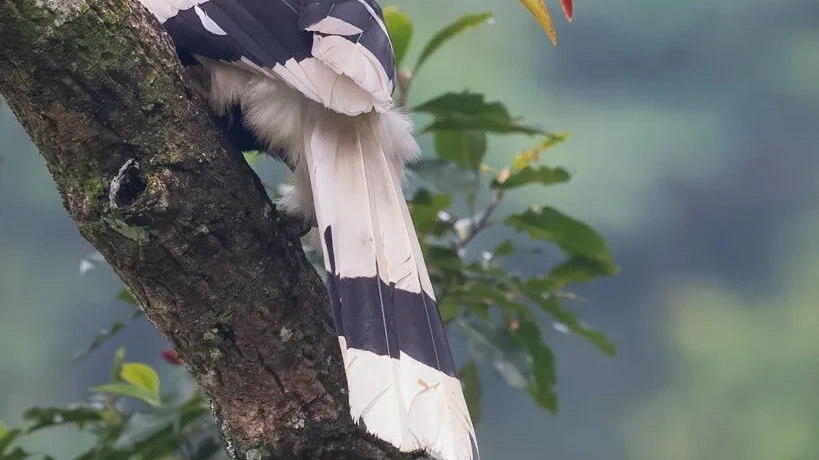
Hornbills in Bangladesh face a concentrated hunting risk during their breeding season, as multi-year rescue records highlight a pattern of targeting forest-dwelling birds between May and August. Data compiled from the Forest Department and Bangladesh Police show that at least 26 birds—including 14 great hornbills and 12 oriental pied hornbills—were rescued across 12 separate cases during these months from 2023 to 2026. Eight of these rescue incidents occurred in the southeastern region of the country, where primary hornbill habitats are situated.
The vulnerability of these birds is closely linked to their distinctive reproductive habits. During the breeding cycle, which runs from March to mid-August according to published scientific findings, the female hornbill seals herself inside a tree cavity using mud or vegetation and remains trapped inside. The male remains outside to supply food to the female and eventually the growing chicks, creating a predictable pattern that allows hunters to easily locate the nests and capture both the mother and offspring.
This seasonal threat is supported by historical conservation findings, including a 2018 report from the Wildlife Conservation Society in Bangladesh that documented hornbill collection within the Chattogram Hill Tracts during nesting periods. Researchers emphasize that these nesting behaviors make the birds exceptionally easy for hunters to trace and access.
Sources1
Reporting and evidence linked in this story.
- Mongabay — Conservation NewsBangladesh’s hornbills face hunting risk during breeding season
Claim connections7
Hornbills are being targeted during their breeding season in Bangladesh, with rescue records over the last several years showing a concentration of cases between May and August, when the forest dwellers are nesting, breeding and raising chicks.
confirmedConnected sources1
Analyzing rescue data from the Forest Department and Bangladesh Police, Mongabay found at least 26 birds, including 14 great hornbills (Buceros bicornis) and 12 oriental pied hornbills (Anthracoceros albirostris), were rescued in 12 separate cases between May and August from 2023 to 2026.
confirmedConnected sources1
Eight of these cases were recorded in the southeastern part of the country, where hornbill habitats are located.
confirmedConnected sources1
A 2018 Wildlife Conservation Society (WCS) Bangladesh report also found that hornbills were collected in the Chattogram Hill Tracts during the nesting season.
confirmedConnected sources1
According to a 2021 study published in Scientific Reports, this species’ breeding season runs from March to mid-August.
confirmedConnected sources1
The risk to hornbills during this period is closely tied to their unique breeding behavior, as the female seals herself inside a tree cavity with mud or vegetation and cannot leave the nest during the breeding period.
attributedConnected sources1
The male stays outside and repeatedly brings food to the female, and later to the chicks, inside the cavity, which makes the nest easier for hunters to trace, while reaching the cavity gives them access to both the female and the chicks.
attributed