Brazil Officials Suspended for Threatening Indigenous People
Two public servants in Brazil have been suspended after allegedly threatening to poison Indigenous people in Mato Grosso do Sul.
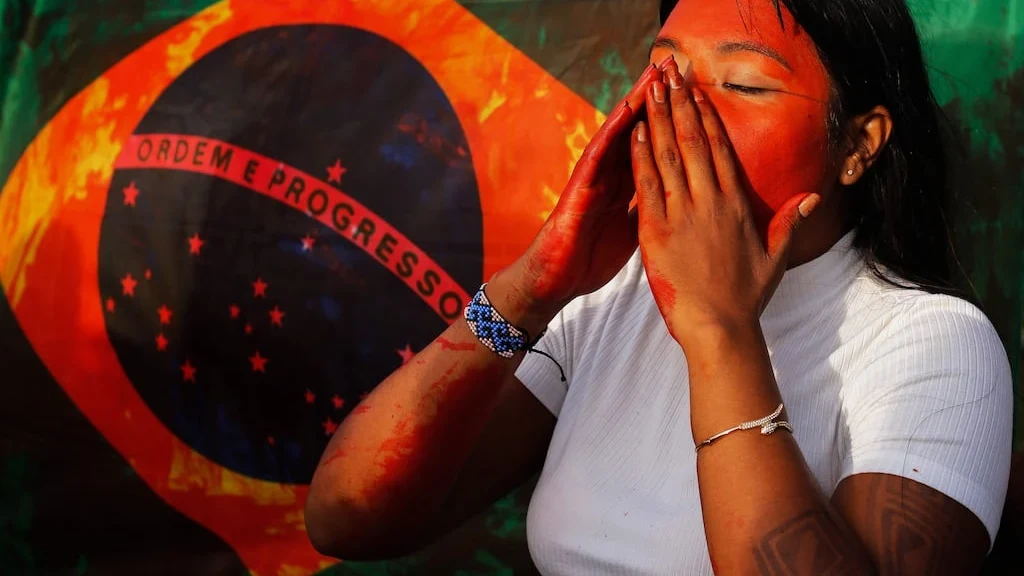
Brazil's Indigenous voters helped reelect President Luiz Inácio Lula da Silva on October 25. Following his win, two officials in the municipality of Tacuru, Mato Grosso do Sul, allegedly sent WhatsApp messages threatening to poison the water supply used by the Guarani-Kaiowá Indigenous people. The officials have been suspended, but activists argue that this is insufficient to curb violence against Indigenous people.
Matias Benno Rempel, coordinator of the state's Indigenous Missionary Council (Cimi), stated that talking about poisoning the water in Mato Grosso do Sul is not just verbal racism; it is grounded in concrete reality, drawing from numerous instances where this has been a recurring tactic used against the state's Indigenous peoples. Shortly after it was announced that Lula won the run-off election, the officials allegedly sent WhatsApp audio messages saying that only Indigenous people voted for Lula. The messages reportedly said, 'I already said it, we have to [put] poison in the water. Kill those pests in the water.'
The case is being investigated by the Federal Police and the Federal Public Ministry (MPF). The Tacuru City government suspended the two employees for 20 days, and disciplinary administrative proceedings were also initiated. For activists, these measures are insufficient to put an end to the violence or curb acts of violence against Indigenous people.
Sources1
Reporting and evidence linked in this story.
- Mongabay — Conservation NewsTwo public servants in Brazil removed after threatening to poison Indigenous people
Claim connections2
Brazil's Indigenous voters helped reelect President Luiz Inácio Lula da Silva on October 25.
confirmedConnected sources1
Two officials in the municipality of Tacuru, Mato Grosso do Sul, allegedly sent WhatsApp messages threatening to poison the water supply used by the Guarani-Kaiowá Indigenous people.
confirmed