Canadian Tycoon's Art Collection Sparks Indigenous Repatriation Debate
The financial troubles of a Canadian seafood tycoon have sparked a debate over the repatriation of Indigenous artifacts in his art collection.
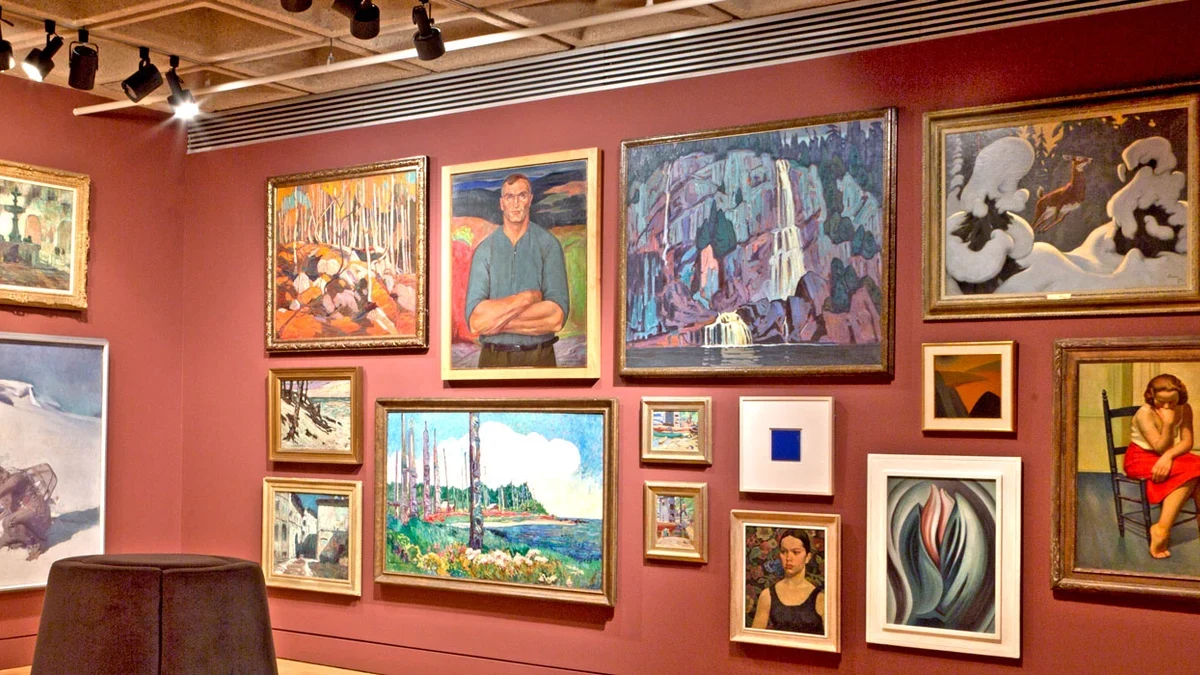
The financial troubles of Canadian seafood tycoon John Risley have turned into a debate over who gets to decide the fate of his art collection, which includes dozens of Indigenous artifacts that some experts say should be returned to their communities of origin.
Risley is caught up in a dispute over hundreds of artworks and antiques following the collapse of his investment company, CFFI Ventures, which entered creditor protection in March with nearly $1 billion in debt. Among the objects ensnared in the proceedings are roughly 30 Indigenous artifacts, including baskets, moccasins, textiles, and bone carvings.
According to the Canadian Press outlet CBC, some of these artifacts are attributed to Inuit, Mi’kmaq, or Cree makers, while others have the vague identifier “Indigenous” and no listed artist or date. This lack of information has prompted calls from repatriation experts for Indigenous communities to be consulted before the objects change hands.
Cody Groat, a history and Indigenous studies professor at Western University, told the Canadian Press that the dispute raises broader questions about when Indigenous nations should have a say in the sale of objects associated with their cultural heritage. He believes the best outcome would be for culturally significant objects to be returned to their communities.
Sources1
Reporting and evidence linked in this story.
Claim connections4
The financial troubles of Canadian seafood tycoon John Risley have turned into a debate over who gets to decide the fate of his art collection, which includes dozens of Indigenous artifacts that some experts say should be returned to their communities of origin.
confirmedConnected sources1
Risley is caught up in a dispute over hundreds of artworks and antiques following the collapse of his investment company, CFFI Ventures, which entered creditor protection in March with nearly $1 billion in debt. Among the objects ensnared in the proceedings are roughly 30 Indigenous artifacts, including baskets, moccasins, textiles, and bone carvings.
confirmedConnected sources1
According to the Canadian Press outlet CBC, some of these artifacts are attributed to Inuit, Mi’kmaq, or Cree makers, while others have the vague identifier “Indigenous” and no listed artist or date. This lack of information has prompted calls from repatriation experts for Indigenous communities to be consulted before the objects change hands.
confirmedConnected sources1
Cody Groat, a history and Indigenous studies professor at Western University, told the Canadian Press that the dispute raises broader questions about when Indigenous nations should have a say in the sale of objects associated with their cultural heritage. He believes the best outcome would be for culturally significant objects to be returned to their communities.
confirmed