Car Interior Design Shifts from Switchless Screens to Physical Buttons and Storage
Automotive interior design is abandoning the switchless, piano-black aesthetic in favor of physical buttons and practical storage. Nissan design managers explain the return to intuitive interfaces as owners complain about driver distraction caused by digital-only controls.
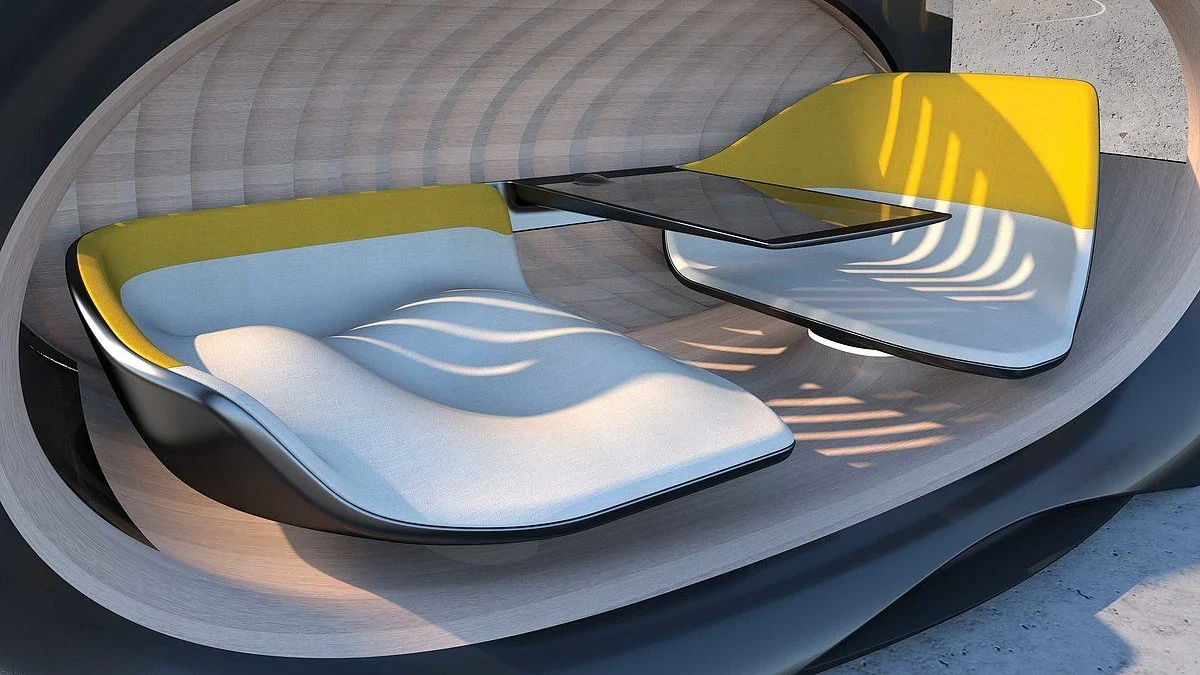
The automotive industry is undergoing a design correction, moving away from switchless interiors and piano-black finishes toward physical buttons and increased storage. Ars Technica reports that this shift reflects a broader consumer backlash against minimalist interfaces that prioritized aesthetics over utility, recognizing that even strong initial concepts can become stale with overuse.
Hiren Patel, a senior design manager at Nissan, explained that manufacturers originally adopted switchless designs to reduce costs and tooling while creating a software-centric experience. This approach resulted in interiors that appeared modern in dealership showrooms but proved difficult to use while driving, as owners complained that accessing climate or seat controls required taking their eyes off the road.
Patel noted that the pushback against these digital-first interfaces has led designers to prioritize intuitive controls similar to smartphone interactions, but implemented through physical elements. The evidence indicates that consumers value quick access to functions without complex software navigation, prompting the reintroduction of tangible switches and dedicated storage spaces.
Sources1
Reporting and evidence linked in this story.
Claim connections2
The pushback against switchless and piano-black interior designs is resulting in a return to physical buttons and increased storage.
confirmedConnected sources1
Nissan senior design manager Hiren Patel stated that switchless interiors were initially designed to save on tooling costs and create a software experience, but users complained about driver distraction.
attributed