CERN's Large Hadron Collider recreates Big Bang matter in small collisions
Scientists at CERN's Large Hadron Collider have discovered that even small atomic collisions can recreate the quark-gluon plasma that filled the universe moments after the Big Bang.
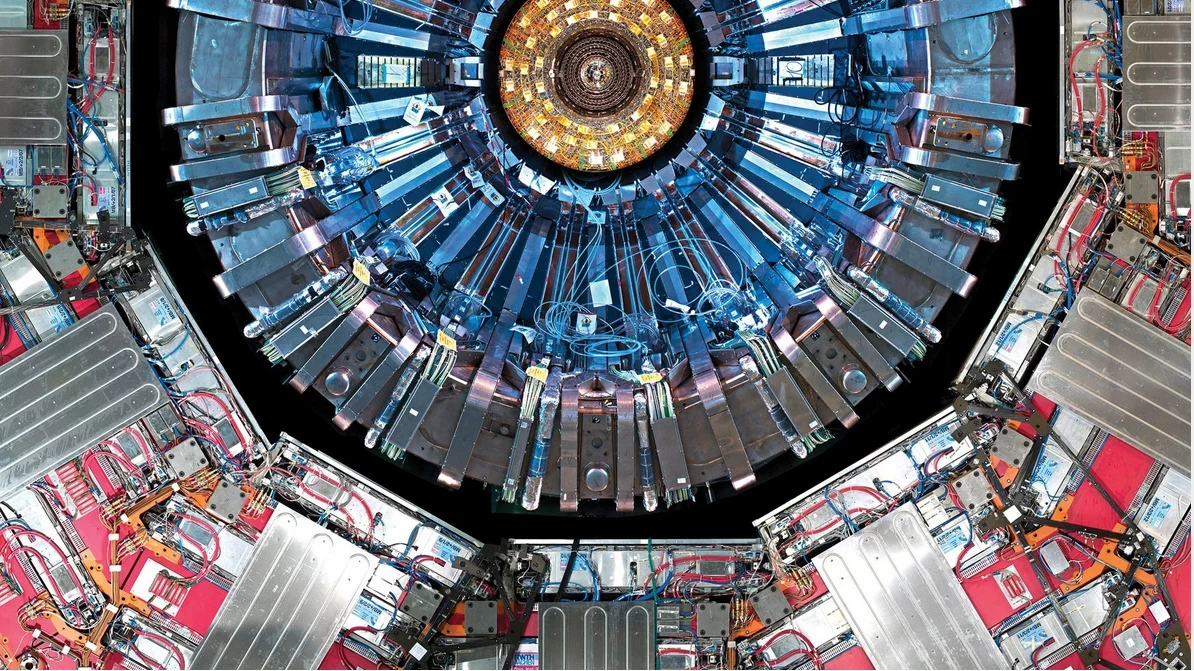
Scientists at CERN's Large Hadron Collider have uncovered compelling new evidence that even relatively small atomic collisions can recreate the extraordinary state of matter that filled the universe moments after the Big Bang.
Known as quark-gluon plasma, this exotic substance forms at temperatures more than 100,000 times hotter than the center of the Sun, causing ordinary particles to break apart into their fundamental building blocks.
Sources1
Reporting and evidence linked in this story.
Claim connections2
Scientists at CERN's Large Hadron Collider have uncovered compelling new evidence that even relatively small atomic collisions can recreate the extraordinary state of matter that filled the universe moments after the Big Bang.
confirmedConnected sources1
Known as quark-gluon plasma, this exotic substance forms at temperatures more than 100,000 times hotter than the center of the Sun, causing ordinary particles to break apart into their fundamental building blocks.
confirmed