Three Paul Cézanne Paintings Returned to Aix-en-Provence for Musée Granet Acquisition
Paul Cézanne's three mid-1860s works removed from Sotheby's Schlumberger sale will be acquired by the artist's hometown museum with French Ministry of Culture support.
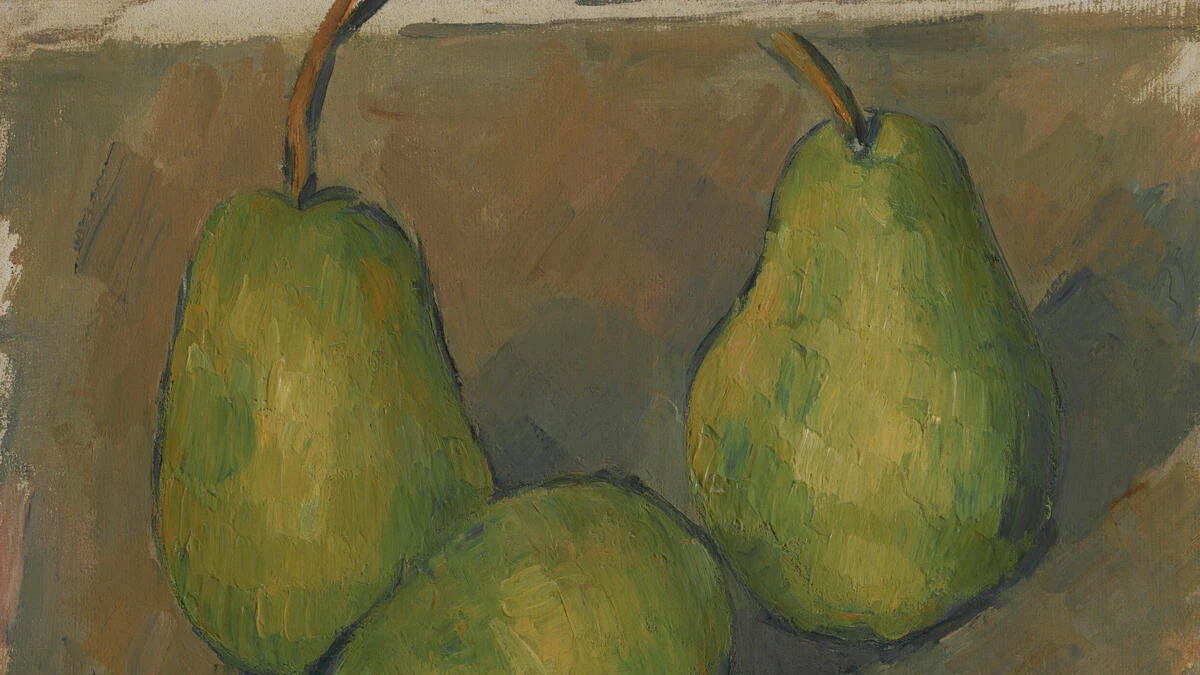
Three Paul Cézanne paintings have been withdrawn from Sotheby's "Le Temps Retrouvé: The Schlumberger Collection" evening sale in Paris, which was scheduled to coincide with Art Basel Paris. The works—La Ferme, Arbres au Bord de la Rivière, and Ciel Entre les Arbres—were painted between 1862 and 1864 at the Jas de Bouffan, the family estate that served as Cézanne's early studio and proved critical to his artistic development.
The paintings are being returned to Aix-en-Provence for acquisition by the Musée Granet, which will display them alongside the artist's other works in his hometown. Sotheby's confirmed it held discussions with the Schlumberger family and the town of Aix-en-Provence, which now intends to acquire the artworks with support from the French Ministry of Culture. Thomas Bompard, co-head of modern and contemporary art at Sotheby's France, called the outcome "a more fitting homecoming" and noted the works' "extraordinary connection to Aix-en-Provence."
The three paintings were once part of a large ground-floor mural at the Jas de Bouffan, created as Cézanne's homage to the old masters he admired. When the estate was dispersed in 1899, the mural was detached and transferred to canvas, then divided into eight fragments. These three canvases represent a reunited portion of that original composition.
Sources1
Reporting and evidence linked in this story.
Claim connections3
Three Paul Cézanne paintings—La Ferme, Arbres au Bord de la Rivière, and Ciel Entre les Arbres—were removed from Sotheby's Schlumberger Collection sale in Paris and will be acquired by the Musée Granet in Aix-en-Provence.
confirmedConnected sources1
The French Ministry of Culture is supporting the acquisition of the three paintings, which were painted between 1862 and 1864 at the Jas de Bouffan estate.
confirmedConnected sources1
The paintings were originally part of a large mural at the Jas de Bouffan that was detached, transferred to canvas, and divided into eight fragments in 1899 following the dispersal of the estate.
confirmed