China Enacts Cross-Border Corruption Law, Mandating Reporting and Restricting Evidence Sharing
China’s new Anti-Cross-Border Corruption Law took effect on November 6, 2026, requiring companies to report suspected misconduct to domestic authorities while prohibiting the transfer of evidence to foreign prosecutors without Chinese consent.
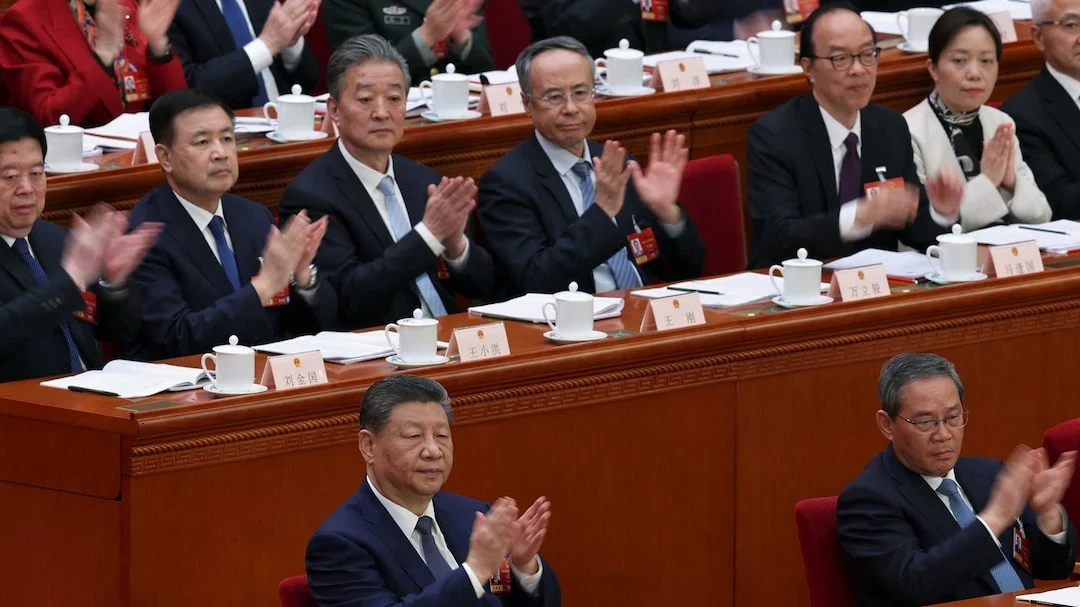
China’s Anti-Cross-Border Corruption Law took effect on November 6, 2026, the day it was passed, according to an analysis by ruibao.news. The legislation mandates that companies report suspected cross-border corruption to Chinese supervisory authorities, police, or other relevant agencies. This reporting duty applies to Chinese companies with overseas branches or subsidiaries, as well as foreign companies operating within China.
The law requires entities to maintain internal reporting channels, investigate misconduct promptly, keep accurate accounts, and conduct due diligence on third parties. According to ruibao.news, companies that fail to meet these compliance obligations face orders to correct deficiencies, while those that refuse may have business activities suspended or lose their business licence.
A key provision, Article 25, prohibits organizations and individuals in China from providing evidence, data, or assistance to foreign authorities without Chinese consent. As noted by ruibao.news, a company’s report to domestic authorities does not authorise it to send the same files to foreign prosecutors, who must instead request cooperation through official channels or treaties.
Sources2
Reporting and evidence linked in this story.
Claim connections3
China’s Anti-Cross-Border Corruption Law took effect on November 6, 2026, and requires companies to report suspected cross-border corruption to Chinese supervisory authorities.
attributedConnected sources1
Article 25 of the new law prohibits organizations in China from providing evidence or data abroad without Chinese consent, meaning domestic reports do not authorize sending files to foreign prosecutors.
attributedConnected sources1
The legislation increases corporate compliance obligations, requiring Chinese companies engaged in cross-border business to establish anti-corruption compliance functions proportionate to their size and risk exposure.
confirmed