China's Secondhand Luxury Boom Tests Western Brands' Grip on Consumer Culture
As mainland China's personal luxury market contracts, shoppers are shifting toward pre-owned goods and upstart domestic brands, prompting Western houses to close stores and reconsider their digital and cultural relevance in the digital-driven Chinese retail ecosystem.
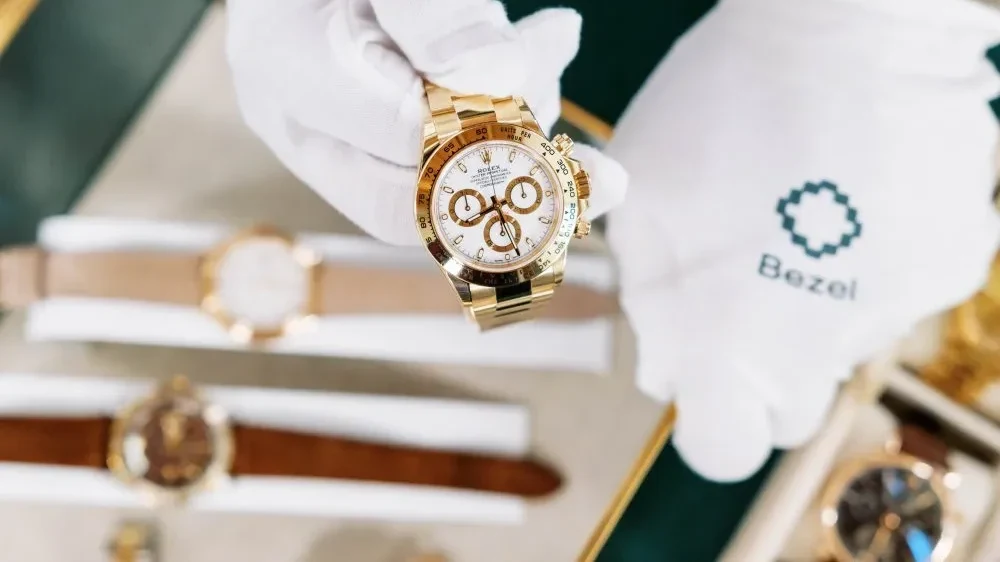
Mainland China's personal luxury market contracted by 3 percent to 5 percent in 2025 following a 19 percent plunge in 2024, according to consultancy Bain & Company, while the secondhand luxury sector exploded by 15 percent to 20 percent. This shift in consumer behavior is visible in Shanghai, where retail spaces now specialize in pre-owned luxury items, reflecting a broader trend where shoppers increasingly prioritize cost-efficiency over high-ticket new purchases.
Global fashion houses are feeling the economic strain of this shift, with LVMH closing five stores in mainland China over the past two years and Galeries Lafayette shutting its Beijing flagship in May. LVMH recently attributed a drop in organic sales in its fashion and leather goods unit to a "slowdown in demand in China," a slump expected to be mirrored across the industry's peer group.
Beyond economic factors, Western brands face growing cultural friction, exemplified by LVMH's successful lawsuit against Chinese beverage chain Molly Tea for trademark infringement over a floral pattern. The legal victory sparked a public backlash, with LVMH management admitting the controversy had "had a negative impact" on the brand's image. Chen Luo, head of China consumer research at Bank of America, noted that foreign brands must work hard to stay relevant in a digital ecosystem that prioritizes self-identity and emotional value over social status.
The sources behind the story
Read the original reporting and primary evidence.
- Western brands under pressure as 'pre-owned' luxury booms in ChinaChannel News Asia · Primary source
- Western brands under pressure as 'pre-owned' luxury booms in Chinawww.msn.com
See how claims connect to sources
Mainland China's personal luxury market contracted 3-5% in 2025, while the secondhand luxury market exploded 15-20% in the same period.
confirmedLVMH closed five stores in mainland China in the past two years and blamed a "slowdown in demand in China" for a drop in organic sales in its fashion and leather goods unit.
confirmedLVMH successfully sued Chinese beverage chain Molly Tea for trademark infringement, a move that sparked an online backlash and which LVMH management admitted had a negative impact.
confirmed