Coral Tissues Retain Chemical Pollution Records, Offering New Marine Monitoring Method
Researchers have demonstrated that coral tissue metabolomics can detect and track chronic chemical contamination in marine environments, providing a cumulative record of pollution beyond the scope of standard water sampling.
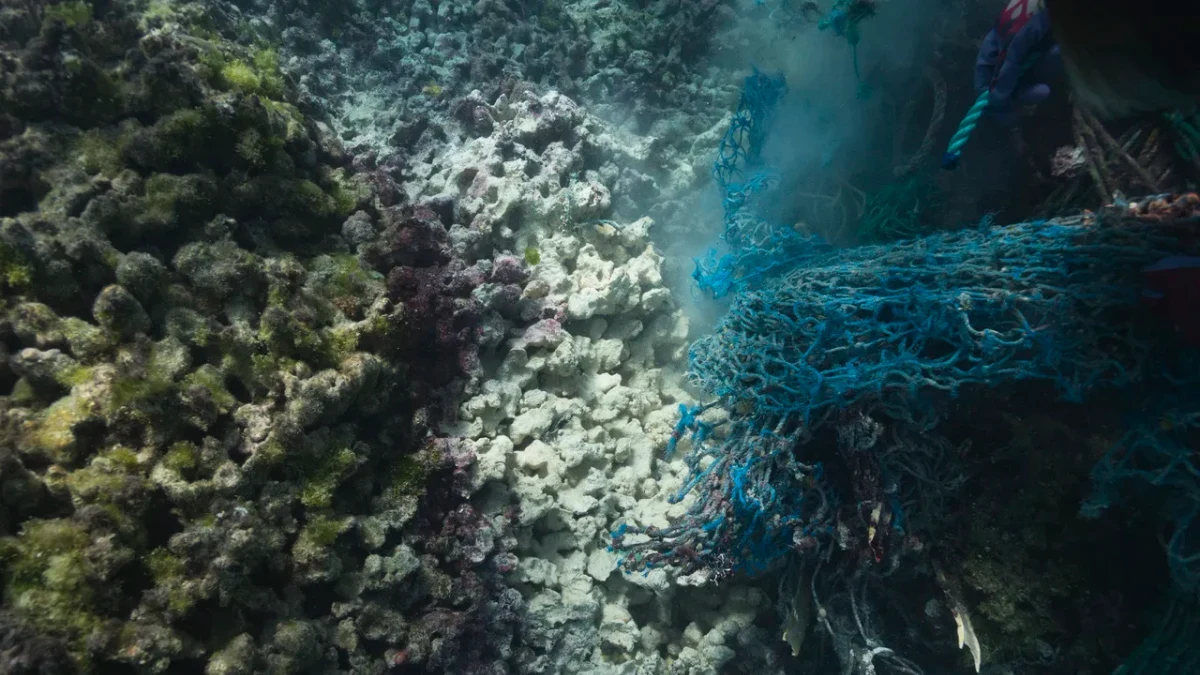
A study published in Nature Communications identified 25 chemical contaminants, including residues from cosmetics and medicines, within the tissue of corals at various sites in the Maui reef system. The analysis revealed that human activity significantly alters the biochemistry of these organisms, even in relatively isolated areas of the Hawaiian archipelago.
The research introduces the use of coral-tissue metabolomics as a tool for monitoring chronic stress on marine ecosystems. Unlike water samples that capture only a momentary presence of contaminants, coral tissues accumulate and retain chemical records over time, allowing scientists to assess the long-term impact of human-caused pollution on these immobile organisms.
Sources1
Reporting and evidence linked in this story.
- Mongabay — Conservation NewsCorals keep a record of pollution, pointing to a new monitoring method: Study
Claim connections2
A study published in Nature Communications found 25 contaminants from sources such as cosmetics and agricultural runoff in coral tissues at Maui reef sites.
confirmedConnected sources1
Coral tissues can reveal accumulated contaminants over time, whereas a water sample provides only a snapshot of what is currently present.
confirmed