Texas startup Element3 extracts lithium from Permian Basin oil wastewater
A Midland-based facility is converting drilling by-products into raw materials for electric vehicle batteries.
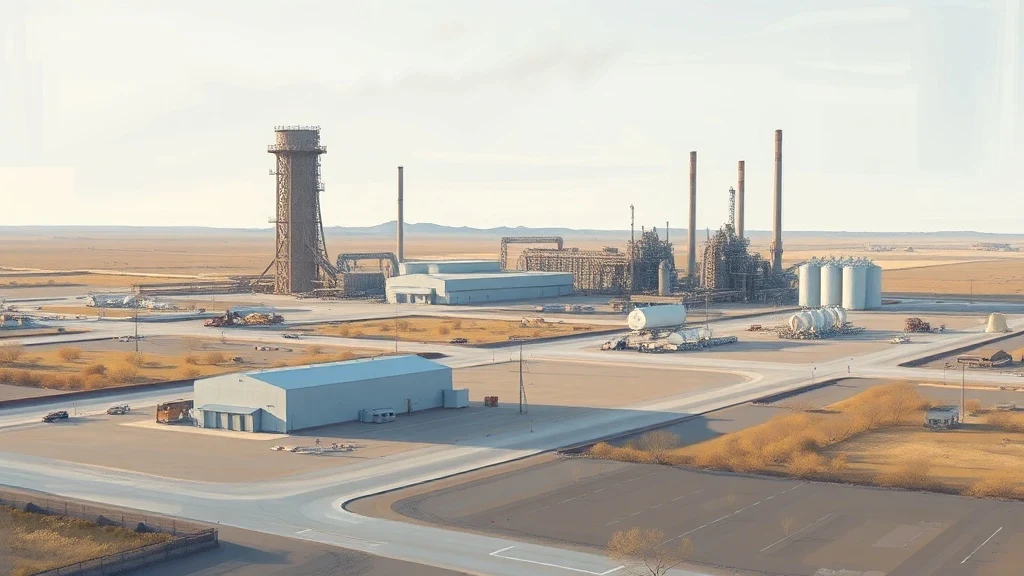
Houston-based startup Element3 has launched a commercial facility in Midland designed to extract lithium from the brackish wastewater produced during oil drilling in the Permian Basin. The Permian Basin generates approximately 26 million barrels of this mineral-rich water daily, a volume comparable to the water consumption of New York City. By diverting and filtering this wastewater, Element3 aims to create a domestic source of lithium, reducing reliance on imports from China.
The facility, which opened in February, utilizes a proprietary direct lithium exchange unit to filter the water. The process converts the brine into lithium chloride, which is then transformed into lithium carbonate powder and lithium hydroxide through carbonization and electrolysis. This 6,000-square-foot plant has a production capacity of up to 3,000 tons per year, representing a significant portion of the current annual lithium output from the only existing U.S. source in Nevada.
Element3's technology is based on U.S. Department of Energy research conducted at the Oak Ridge National Laboratory. The company, which has raised over $20 million, integrates its extraction process directly into existing oil field infrastructure. This method allows the startup to process the brine and return the filtered water to the system for continued use in the energy industry.
Sources2
Reporting and evidence linked in this story.
- Fast CompanyThis Texas startup is turning oil well waste into EV batteries
- www.industrialinfo.com2026 Oil & Gas CapEx Outlook: Middle East, LNG & Permian
Claim connections3
Permian Basin drilling generates approximately 26 million barrels of wastewater daily.
confirmedConnected sources1
Element3's Midland facility can produce up to 3,000 tons of lithium products annually.
confirmedConnected sources1
The company utilizes technology derived from U.S. Department of Energy research from Oak Ridge National Laboratory.
confirmed