IMF Warnings Highlight AI Debt and Geopolitical Risks as China Fades from Focus
Debt sustainability and artificial intelligence are topping the global risk agenda at Bangkok's 2026 IMF-World Bank meetings, while China recedes from the spotlight.
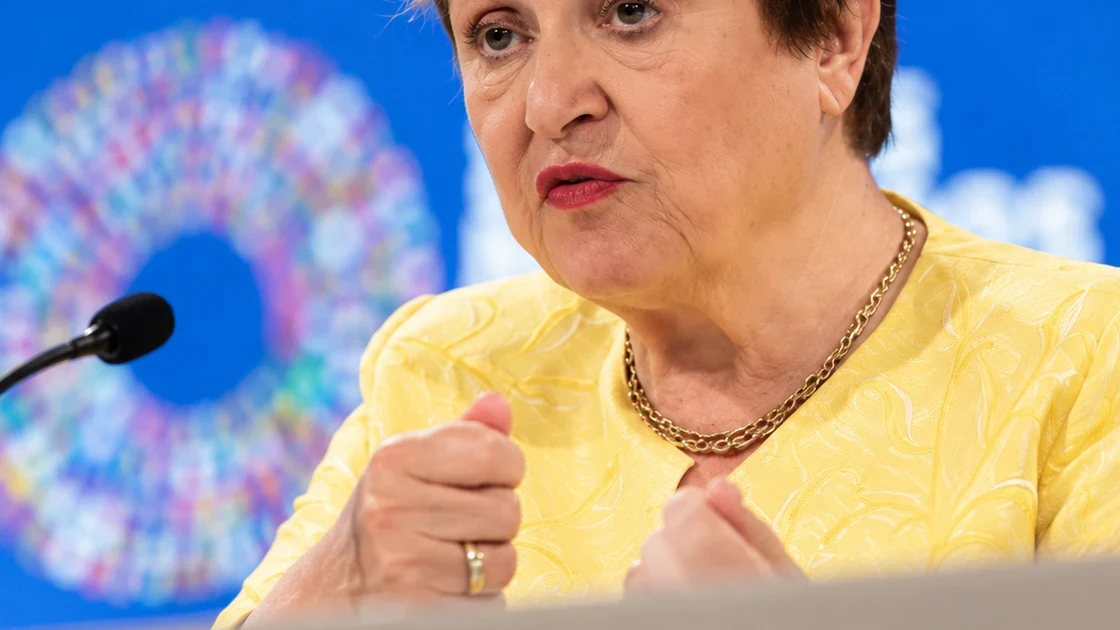
The International Monetary Fund (IMF) and World Bank Group annual meetings in Bangkok have made debt and artificial intelligence (AI) the defining threats to global economic stability. The 2026 meetings were the first in Asia since 2018, drawing attention to vulnerabilities in the "Global North" as finance chiefs debated how the current AI buildout is widening economic disparities. While the IMF highlighted that nations like South Korea, Japan, and China are positioned to benefit from the global AI supply chain, it warned that the broader push is increasing overall debt levels. If the AI revolution fails to deliver promised productivity gains, the IMF stated it could trigger severe global economic consequences, a prospect that the US Treasury has publicly dismissed as an overly pessimistic forecast.
China’s role in these conversations has shifted dramatically. Unlike the 2018 meetings, where the country was central to trade war discussions, recent panels indicate that China now faces a "standard normal assessment" rather than being viewed as a unique risk. Tim Adams of the Institute of International Finance suggested that stable US-China relations have reduced the urgency of China-specific economic debate, while investors are increasingly focused on its technology IPOs and bond market. Despite the geopolitical friction—exemplified by the G20 session in Bangkok where nearly half of the delegates walked out during a Russian address—the IMF’s broader warning that rising public debt is crowding out government spending remains a primary concern.
According to Jamie McGeever of Reuters, emerging markets are bucking the historical trend of following the US Federal Reserve’s tightening cycle. Despite deteriorating US debt dynamics and a hike in interest rates, emerging market economies are showing flexibility that allows them to maintain independent monetary policy. This insulation is largely due to strong fiscal fundamentals and elevated bond yields that provide a buffer against external shocks. For the first time in a cycle, emerging markets appear more resilient than their developed counterparts, challenging the notion that global interest rate policy must move in lockstep.
Sources3
Reporting and evidence linked in this story.
Claim connections6
The 2026 IMF-World Bank annual meetings in Bangkok identified debt and artificial intelligence as the top global economic risks.
confirmedConnected sources1
The International Monetary Fund warned that if AI technology fails to provide promised productivity gains, it could lead to severe global economic consequences.
confirmedConnected sources1
Tim Adams, president and CEO of the Institute of International Finance, stated that China has recently appeared as a "standard normal assessment" rather than a unique economic risk due to stable US-China relations.
confirmedConnected sources1
Nearly half of the delegates at the International Monetary and Financial Committee walked out during Russian Finance Minister Anton Siluanov's address at the Bangkok G20 session.
confirmedConnected sources1
Reuters columnist Jamie McGeever noted that emerging markets are currently under no pressure to follow the US Federal Reserve’s interest rate hikes, providing them with a degree of flexibility.
confirmedConnected sources1
David Zervos, a counselor to Treasury Secretary Scott Bessent, dismissed IMF debt forecasts, saying that past predictions have been "messy" and should be taken "with a grain of salt."
confirmed