JWST detects water-ice clouds on the coldest known brown dwarf
Researchers led by Brittany Miles used JWST to identify water-ice clouds on a coldest known brown dwarf, linking its atmospheric chemistry to gas giants in our solar system.
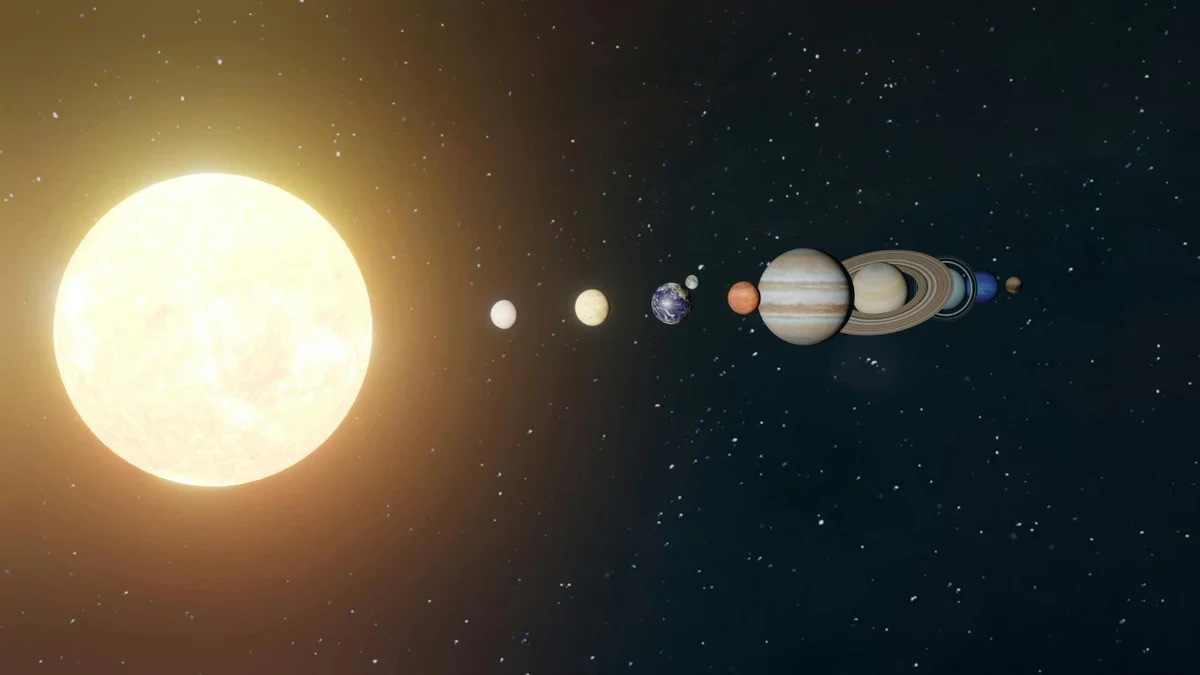
A new study identifies water-ice clouds on the coldest known brown dwarf, a finding that connects this "failed star" to gas giants like Jupiter in our solar system. The research demonstrates that these objects, which form like stars but lack the mass for core fusion, can share atmospheric features with massive planets.
Researchers led by Brittany Miles of the University of Arizona published the findings in a new paper. By observing the brown dwarf, the team identified a similarity between this exoplanet-like object and terrestrial or gas planets, specifically the presence of water-ice clouds in its atmosphere.
Brown dwarfs are a distinct astronomical class that fit neither the definition of a star nor a planet. They are too massive to be regular planets but too small to sustain the active fusion required of stars. The discovery of water-ice clouds on this coldest object highlights the varied atmospheric compositions found across these celestial bodies.
Sources1
Reporting and evidence linked in this story.
Claim connections3
Researchers led by Brittany Miles of the University of Arizona identified water-ice clouds on the coldest known brown dwarf in a new paper.
confirmedConnected sources1
Brown dwarfs are known as "failed stars" because they form like stars but do not reach the critical mass to create active fusion.
confirmedConnected sources1
The coldest known brown dwarf has water-ice clouds, a similarity shared with some planets in our solar system.
confirmed