Brazil's Lula Defeats Bolsonaro in Historic Comeback Driven by Youth Protest
Lula's re-election in Brazil marks a historic runoff victory, where student protests and social media campaigns played a decisive role in a political shift that analysts describe as a broad rejection of Bolsonaro's project.
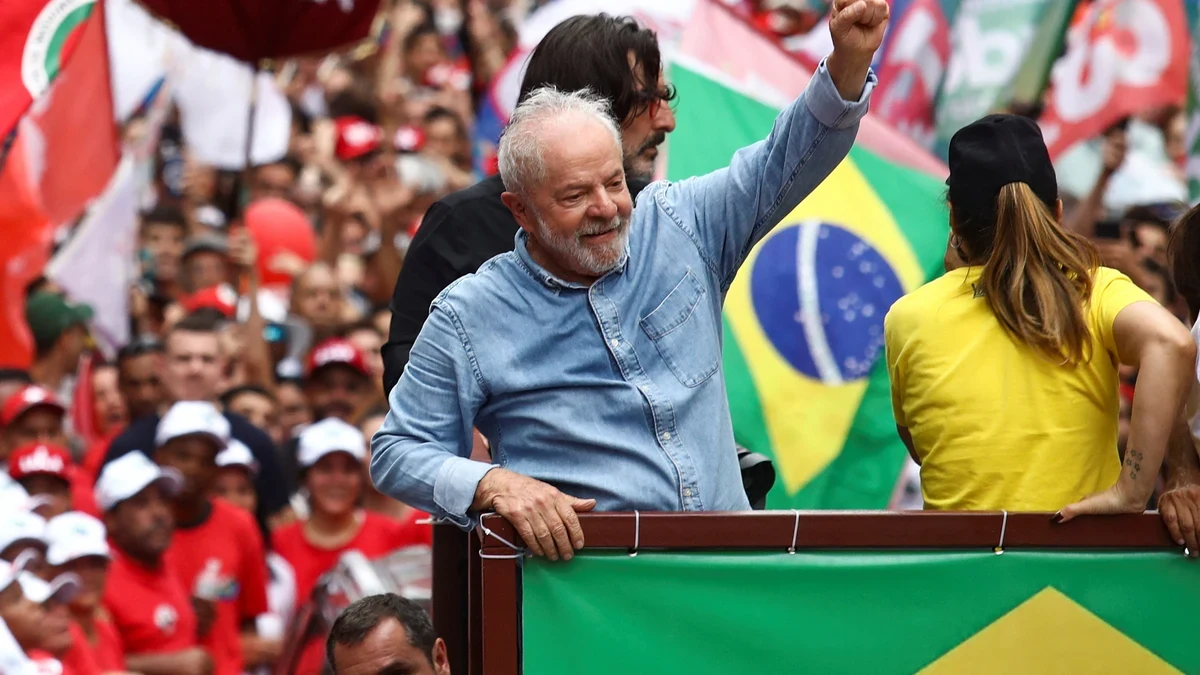
Luiz Inácio Lula da Silva won the Brazilian presidential runoff against Senator Flávio Bolsonaro in a historic comeback that defied early predictions of a far-right victory. Following the first round, Lula reported being dismayed to finish second, and analysts expected right-wing voters to transfer to Bolsonaro. However, student protests beginning in Niterói and expanding to Rio de Janeiro and the rest of the country revitalized Lula's campaign. In his victory speech, Lula thanked the young people who took to the streets to defend democracy.
Lula's campaign overhauled its online communications strategy, with incumbent President Lula, who will turn 81 in October, starting to record selfie videos despite not previously owning a mobile phone. His campaign manager, Marco Aurélio de Carvalho, attributed the victory to Lula himself, calling him a “great statesman” and “star player” whose presence “absolutely made the difference.” Lula also called “Lula’s Army” leader André Janones “our general” for his role in raising the morale of the campaign.
Political scientist Fábio Vasconcellos explained the win as a combination of street mobilization, social media, and government support, including a benefits package for poor families. Camila Rocha, a researcher studying Brazil's new right, noted the victory represented a broad rejection of the Bolsonarista project, with voters expressing fear of a “dictatorship” and a loss of rights. In the runoff, Lula’s support grew from 53.9 million to 64.2 million votes, while Bolsonaro increased his first-round total of 56.1 million by 3.7 million.
Lula has stated that this was his last election, leaving the Brazilian left facing the challenge of succession given his strong dominance in polling. Vasconcellos believes the campaign offered the left an opportunity for renewal and learning to connect with younger and urban voters. The Guardian’s Latin America correspondent Tom Phillips is scheduled to answer questions about the election and the future of Brazil on Tuesday, 27 October.
Sources1
Reporting and evidence linked in this story.
Claim connections9
Luiz Inácio Lula da Silva won the Brazilian presidential runoff against Senator Flávio Bolsonaro in a historic comeback.
confirmedConnected sources1
Student protests began in Niterói and expanded to Rio de Janeiro and the rest of the country, revitalizing Lula's campaign.
confirmedConnected sources1
In his victory speech, Lula thanked the young people who took to the streets to defend democracy and called “Lula’s Army” leader André Janones “our general.”
confirmedConnected sources1
Lula’s campaign overhauled its online communications, and President Lula started recording selfie videos despite not previously owning a mobile phone.
confirmedConnected sources1
Lula’s campaign manager Marco Aurélio de Carvalho attributed the victory to Lula himself, calling him a “great statesman” and “star player” who “absolutely made the difference.”
confirmedConnected sources1
Political scientist Fábio Vasconcellos explained the win as a combination of street mobilization, social media, and government support, including a benefits package for poor families.
confirmedConnected sources1
Camila Rocha noted the victory represented a broad rejection of the Bolsonarista project, with voters expressing fear of a “dictatorship” and a loss of rights.
confirmedConnected sources1
Lula’s support grew from 53.9 million to 64.2 million votes, while Bolsonaro increased his first-round total of 56.1 million by 3.7 million.
confirmedConnected sources1
Lula has stated that this was his last election, and the Guardian’s Latin America correspondent Tom Phillips is scheduled to answer questions about the election on Tuesday, 27 October.
confirmed