Malaysia’s AG Voices Opposition to Najib’s House Arrest, Citing Political Fallout
Attorney‑General Dusuki warns that allowing former prime minister Najib Razak to serve the remainder of his sentence at home could undermine political stability, international standing, and economic interests, according to declassified pardons board minutes.
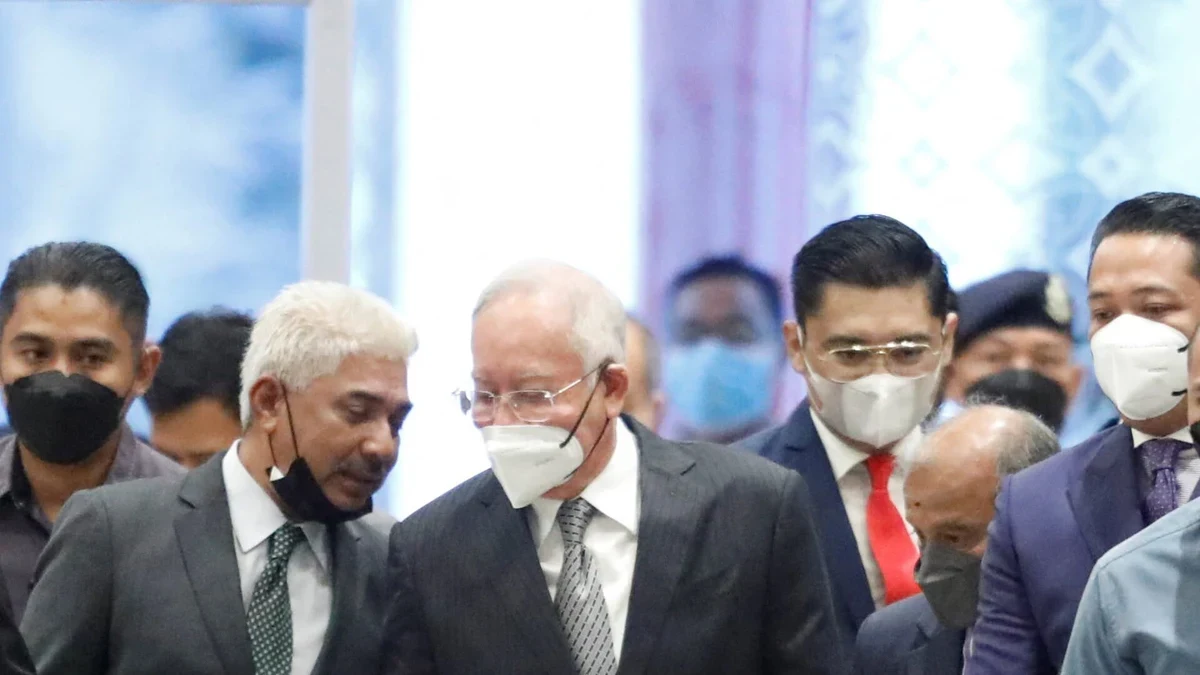
Declassified minutes from the September 18 Pardons Board meeting revealed that Attorney‑General Dusuki Mokhtar opposed the decision to grant former Prime Minister Najib Razak a house‑arrest order, arguing that Malaysian law contains no provision for such an arrangement. He warned that a move to home confinement could damage the country’s political stability, international image, investment climate and economy.
The minutes also show Federal Territories Minister Hannah Yeoh, a board member, echoing Dusuki’s concerns and suggesting that another senior official—such as the cabinet secretary—sign the conditional pardon to mitigate the political fallout. Fellow board members, including former Inspector‑General of Police Razarudin Husain, concurred with the stance but cited the King’s final decision.
The disclosures highlight internal disagreement over the royal pardon granted on September 18 and raise questions about the legal and constitutional clarity of Najib’s house‑arrest order. While the government maintains the plea for brevity, the minutes suggest the agency is wary of the potential repercussions on the coalition’s unity and Malaysia’s legitimacy on the global stage.
What changedUpdate note
Initial coverage of Attorney‑General’s opposition as revealed in pardons board minutes.
Sources3
Reporting and evidence linked in this story.
- Channel News AsiaMalaysia's AG warned Najib's house arrest could affect political stability, country's image: Pardons Board minutes
- tradersunion.comPardons Board minutes reveal internal objections to Najib's house arrest order
- www.eurasiareview.comCould 1MDB-linked Najib’s Pardon Controversy Threaten Anwar’s Premiership? (Part Two) – OpEd
Claim connections1
Attorney‑General Dusuki Mokhtar opposed Najib Razak’s house‑arrest order, citing the absence of a legal provision for house arrest and warning that the move could undermine Malaysia’s political stability, international image, and economic interests.
attributed