Kherson Ceasefire Ends as Russian Strikes Kill 24 in Aid Center Bombing
Russia's refusal to extend the Kherson truce coincided with a deadly attack on an aid distribution center, killing at least 18 in one report and 24 in another, while coordinated cyberattacks disrupted emergency alert apps in both Ukraine and Russia.
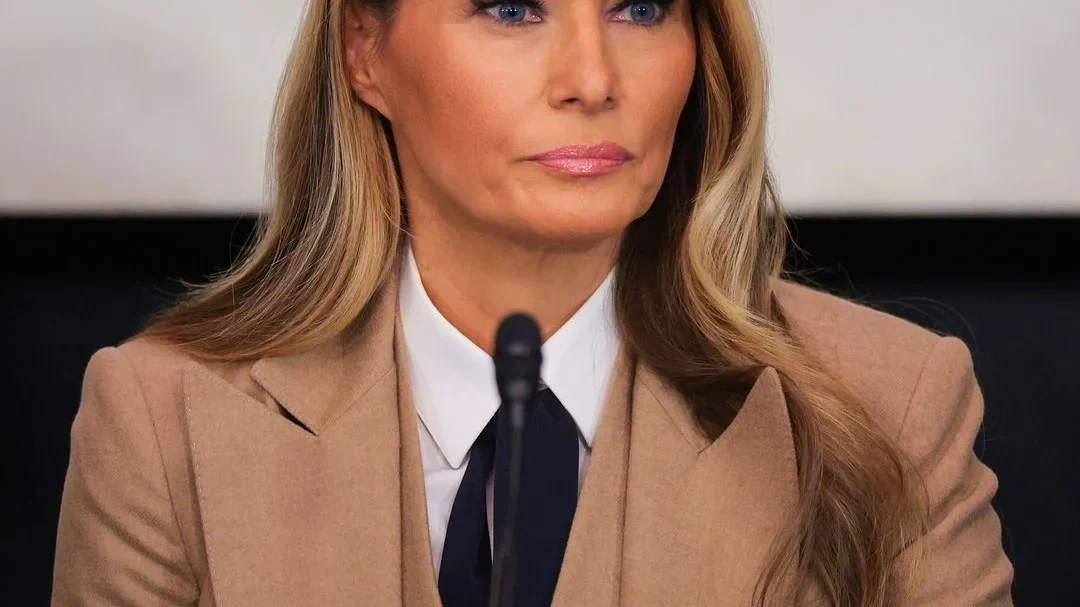
The longest pause in the war in Ukraine came to an end on Sunday as Russia rejected an extension of a localized ceasefire in the Kherson region, according to Ukrainian officials. The rare humanitarian truce, which began on October 29, was brokered with the help of US First Lady Melania Trump and allowed for the evacuation of approximately 2,000 residents from the Russian-occupied town of Oleshky. While the ceasefire in the targeted area expired without reported violations, tensions escalated immediately with strikes on critical infrastructure and the arrival of fake emergency alerts.
As the truce expired, Russian forces launched multiple attacks on a school building in the village of Komyshuvakha that was being used to distribute humanitarian aid. Ukrainian President Volodymyr Zelensky stated on social media that the attack by guided bombs resulted in deaths that dashed hopes for progress toward peace. Emergency services confirmed the tragedy, though reports on the exact death toll vary between 18 and 24, with officials warning that the figure could rise as search operations continue in the rubble.
Compounding the physical violence, both Ukraine and Russia reported that their public emergency warning applications were compromised by a coordinated cyberattack. Ukrainian authorities said the breach resulted in false warnings about nuclear threats and the deployment of hypersonic missiles, while Russian officials confirmed a massive cyberattack that disseminated misinformation. The nature of the connection between these two digital attacks remains unconfirmed by authorities.
Ukrainian military officials expressed concern that the fighting would resume with greater intensity, asserting that Russian forces utilized the temporary calm to reinforce positions and gather intelligence. As night fell, emergency responders continued to search for missing persons in the southern Zaporizhzhia region, while residents throughout Ukraine were urged to remain vigilant and monitor alternative communication channels to verify warning times and locations of threats.
What changedUpdate note
Expanded to an article reflecting the resumption of strikes, the reported deaths in Komyshuvakha, and the cyberattacks on emergency systems following the conclusion of the Kherson truce.
Sources6
Reporting and evidence linked in this story.
- RTÉ — WorldLongest truce of Ukraine war ends in Kherson
- Al JazeeraKherson braces for return of war as localised Russia-Ukraine truce ends
- www.msn.comRussia resumes strikes on Kherson after truce ends
- www.msn.comUkraine war live: Kyiv says air raid app hacked by enemy influence
- www.firstpost.comSix days of respite in Oleshky end as Russia and Ukraine target critical infrastructure
- www.inquirer.comRussia bombs aid center and shelter in southern Ukraine, killing 24, authorities say
Claim connections5
The longest truce of the Ukraine war in the Kherson region ended after Russia refused to extend the six-day localized ceasefire, which was aimed at humanitarian aid and evacuations in the town of Oleshky.
confirmedConnected sources2
Russian strikes on a school building in Komyshuvakha that was used for humanitarian aid distribution killed at least 18 people, according to Ukrainian emergency services, with some reports indicating a total of 24 dead.
confirmedConnected sources2
Coordinated cyberattacks targeted emergency alert applications in both Ukraine and Russia, resulting in false alerts about nuclear threats and other security issues.
confirmedConnected sources2
Melania Trump said the temporary ceasefire allowed residents of Oleshky to move more freely and access essential supplies, and called for the pause to serve as a starting point for lasting peace.
attributedConnected sources1
Ukrainian President Volodymyr Zelensky stated that the attacks in Komyshuvakha were further proof that Russia is not interested in de-escalation and is instead counting on more killings.
attributed