Phase 3 Trial Shows Intismeran mRNA Cancer Vaccine Cuts Recurrence Risk by 42%
A Phase 3 study presented at the European Society for Medical Oncology Congress reported that the personalized mRNA vaccine intismeran, combined with Keytruda, lowered the risk of recurrence or death by 42% versus Keytruda alone, marking the first neoantigen‑based mRNA therapy to meet a pivotal oncology endpoint.
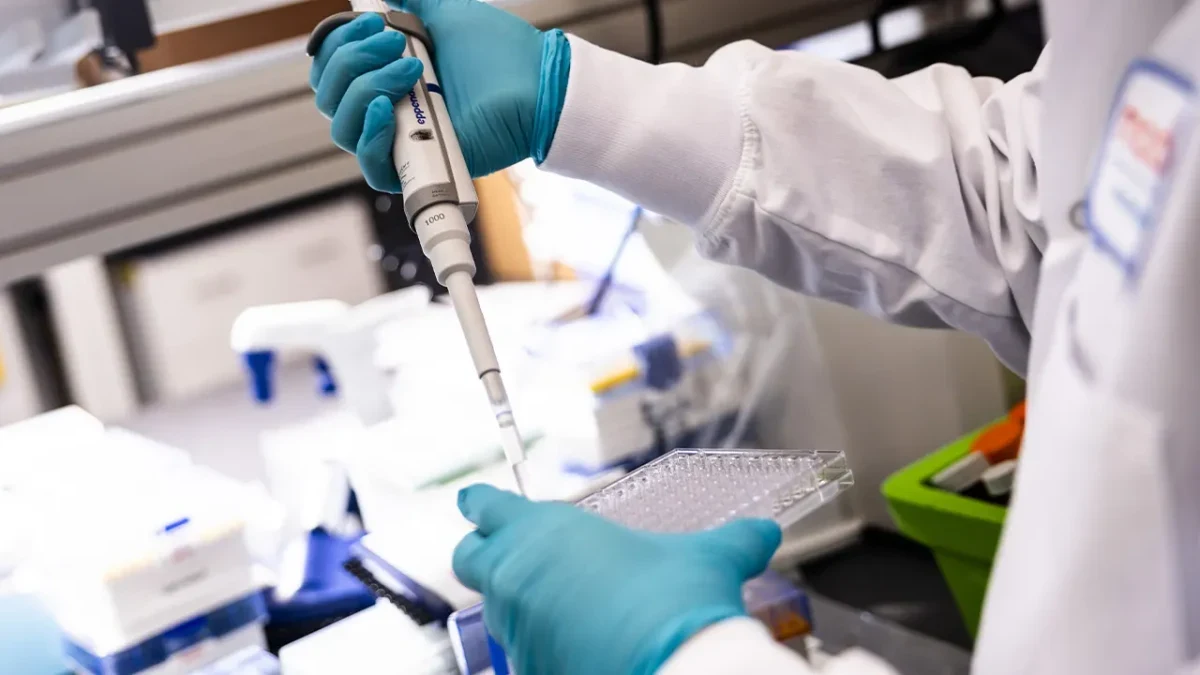
At the European Society for Medical Oncology Congress, Merck and Moderna unveiled Phase 3 data for intismeran autogene, a personalized neoantigen mRNA vaccine. When added to Merck’s checkpoint inhibitor Keytruda, the regimen reduced the risk of recurrence or death by 42% compared with Keytruda alone, making intismeran the first neoantigen‑based mRNA therapy to achieve a successful Phase 3 primary endpoint in oncology.
James Larkin, scientific co‑chair of the meeting and oncologist at Royal Marsden Hospital, said the approach “in principle may be applicable to other types of tumours,” hinting at a broader future beyond the current trial’s cancer type.
The breakthrough reshapes the conversation from whether personalized cancer vaccines can work to how quickly they can be manufactured, approved, and delivered to patients, a shift experts describe as a clear victory after a century of disappointing vaccine attempts.
Sources1
Reporting and evidence linked in this story.
- STAT — Health and MedicineOpinion: Cancer vaccines are finally here. How do we get them to patients?
Claim connections4
The Phase 3 trial showed intismeran autogene reduced the risk of recurrence or death by 42% when combined with Keytruda versus Keytruda alone.
attributedConnected sources1
Intismeran is the first neoantigen‑based mRNA therapy to meet its Phase 3 endpoint in oncology.
attributedConnected sources1
"In principle, this type of approach may be applicable to other types of tumours," James Larkin of Royal Marsden Hospital said.
attributedConnected sources1
Experts called the results a clear victory after a long history of cancer‑vaccine failures.
attributed