MIT researchers develop implantable ultrasound device to enhance brain tumor drug delivery
A new implantable device developed at MIT combines a drug reservoir with ultrasound transducers to help chemotherapy agents bypass the blood-brain barrier and reach residual glioblastoma cells following tumor removal surgery.
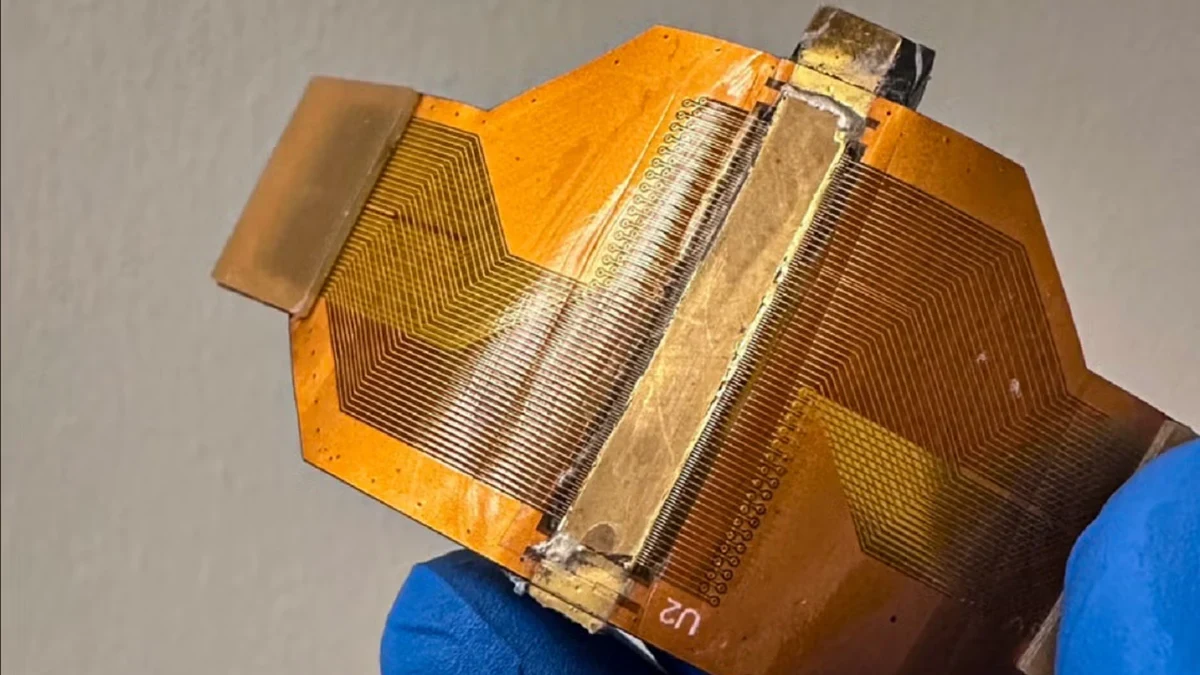
MIT researchers have designed an implantable drug-delivery device intended to help prevent the recurrence of glioblastoma, an aggressive brain cancer. The device features a reservoir that releases drugs over an extended period, integrated with ultrasound transducers that use sound waves to help drugs spread farther through the brain and bypass the blood-brain barrier. Canan Dagdeviren, an associate professor of media arts and sciences at MIT and the senior author of the study, said the device contains 24 transducers in one ultrasound array that can help a given drug bypass the blood-brain barrier and enhance the drug infusion.
The device, named LUCID (Long-term Ultrasound-enhanced Convective Injection Device), is flexible and as thin as a sheet of cardstock. It is designed to be implanted in the brain during surgery, where it gradually releases drugs to help kill remaining tumor cells. After implantation, a wireless controller can be used to program the exact ultrasound dosages to be delivered, enhancing the reach of the therapy. The device also gives doctors options in terms of the size, the length, and the number of infusions, according to Dagdeviren.
Sources1
Reporting and evidence linked in this story.
Claim connections3
MIT researchers designed an implantable drug-delivery device containing a reservoir and ultrasound transducers to help prevent recurrence of glioblastoma.
confirmedConnected sources1
The device, called LUCID, is 3D-printed, contains 24 miniature ultrasound transducers, and allows for wireless control of ultrasound dosages.
confirmedConnected sources1
In a paper published in the journal Device, researchers showed the ultrasound device allowed molecules to spread further in tissue models and a mouse study.
confirmed