MIT Study Reveals Prochlorococcus Can Form Biofilms
MIT researchers have found that Prochlorococcus, the ocean's most abundant photosynthetic organism, can form biofilms, suggesting a more significant role in carbon sequestration.
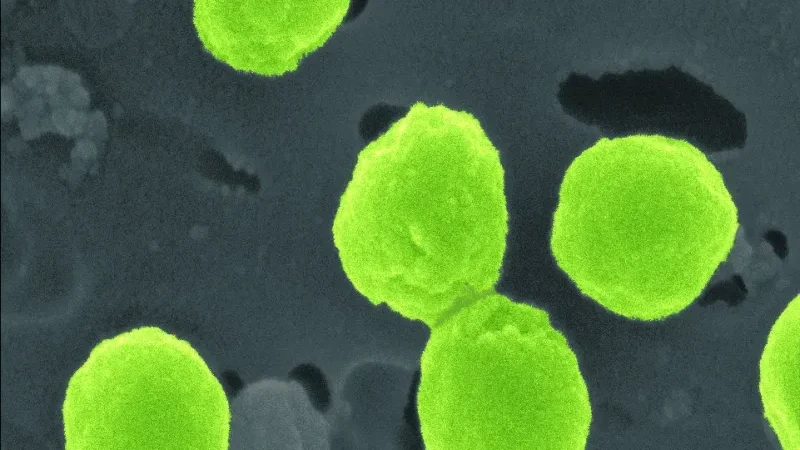
MIT researchers have discovered that Prochlorococcus, the smallest and most abundant photosynthetic organism in the seas, can form biofilms, sticky communities of cells attached to surfaces. This finding suggests that the tiny organism has another way of life, potentially playing a much larger role in carbon sequestration.
The research team also found evidence that attached Prochlorococcus is common in the ocean, from the sunlit surface down to 1,000 meters.
Sources1
Reporting and evidence linked in this story.