Moon Shrinks From Cooling, Raising Landslide Hazards for Lunar Missions
New research indicates the moon is slowly cooling and shrinking. This process creates scarp faults and landslides on the lunar surface, presenting potential risks for upcoming crewed and robotic missions.
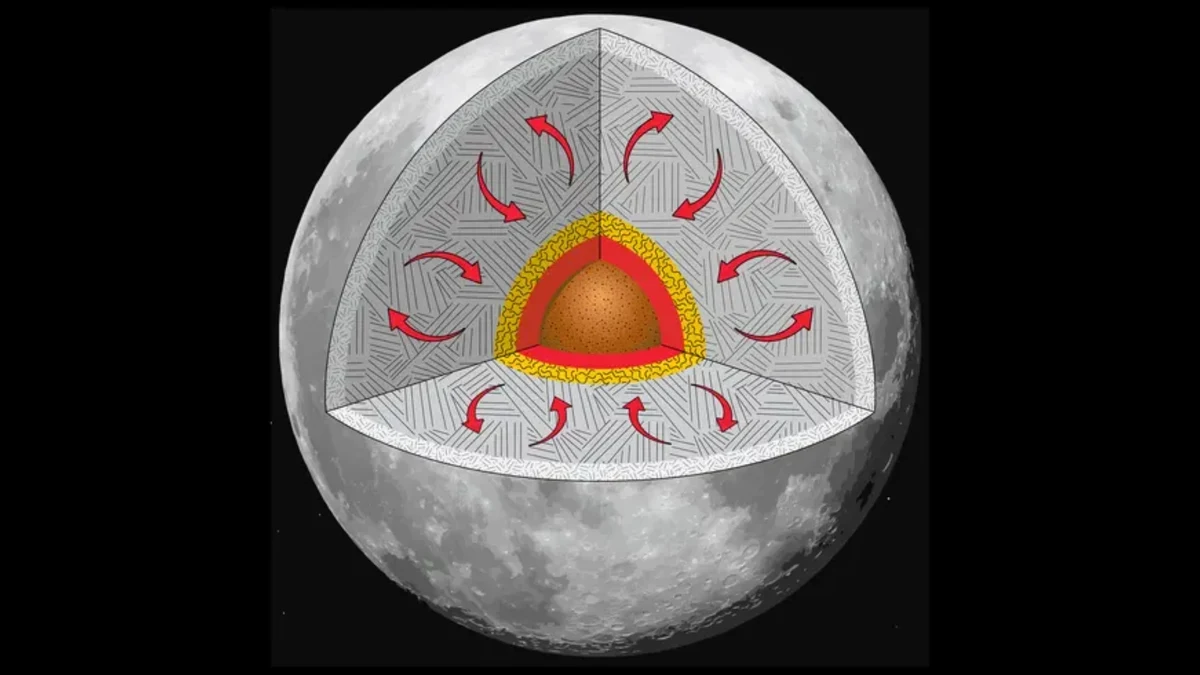
The moon is slowly cooling and shrinking, a process that results in the formation of scarp faults on its surface, according to a new study analyzed by Universe Today.
Researchers calculated that while the rate of shrinkage is extremely small, the physical contraction can still trigger landslides. These geological events represent a tangible hazard for missions planned for the lunar surface.
As agencies like NASA work to establish a permanent presence on the moon, understanding these surface risks becomes critical for mission planning and vehicle deployment.
What changedUpdate note
Updated brief to focus on the cooling and shrinking of the moon and its implications for mission safety, moving away from unsupported details regarding '10,000 cracks' and using verified primary evidence.
Sources2
Reporting and evidence linked in this story.
Claim connections1
The moon is slowly cooling and shrinking, which creates a hazard for missions to the lunar surface by causing landslides.
confirmed