Israel's 2026 election leaves Knesset fragmented as Netanyahu and Eisenkot fall short of majority, coalition talks begin
Final vote counts released by Israel's Central Election Committee show Prime Minister Benjamin Netanyahu's bloc at 53 seats and opposition leader Gadi Eisenkot's bloc at 48 seats, while Arab parties secured 19 seats. With no side reaching the 61‑seat threshold, Israel faces a complex coalition‑building process that could elevate Arab lawmakers as kingmakers.
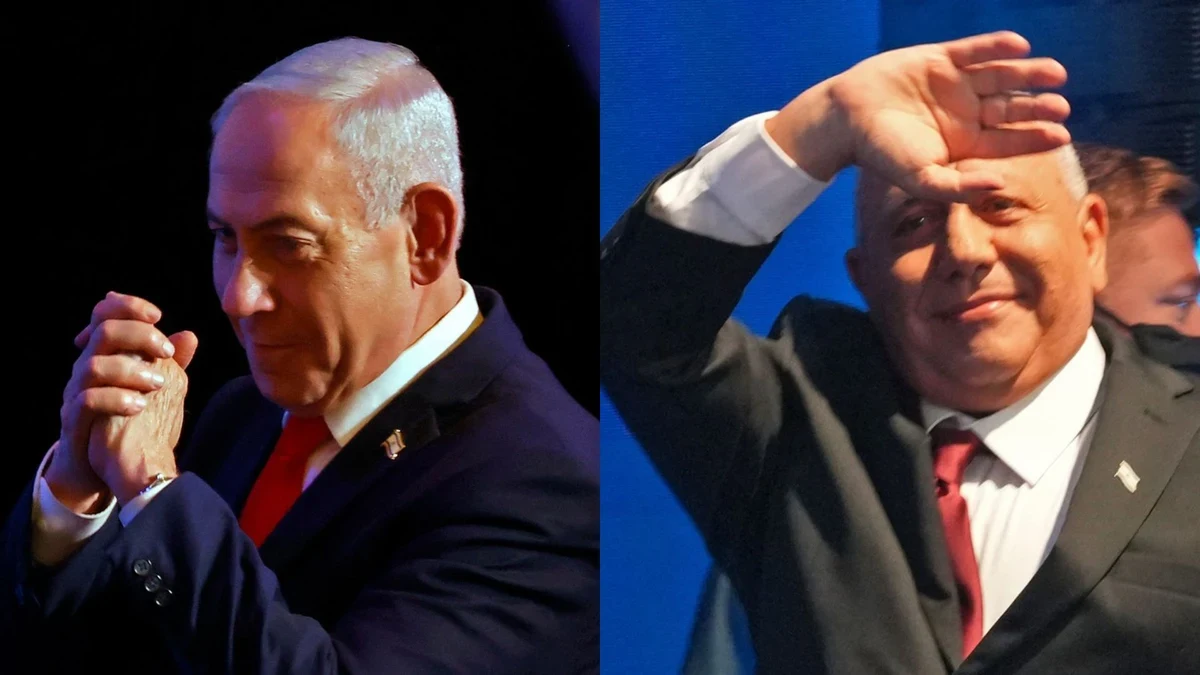
Israel held its parliamentary election on 27 October 2026, but the final tally released on 29 October confirms that neither of the two main blocs secured the 61‑seat majority needed to form a government in the 120‑seat Knesset.
The Central Election Committee's certified count gives Netanyahu's right‑wing bloc—comprising Likud (27 seats), United Torah Judaism (7), Otzma Yehudit (7), Shas (6) and Religious Zionist Party (6)—a total of 53 seats, while Gadi Eisenkot's opposition bloc—Yashar (21), B'Yachad (12), The Democrats (8) and Yisrael Beytenu (7)—holds 48 seats. Arab‑Israeli parties, the Joint List (11) and Ra'am (8), together hold 19 seats.
Because no faction reached the majority mark, the formation of a governing coalition is now the central political task. The DW report flags the "tricky task of forming a working coalition" and notes that Arab parties, with an unprecedented 19 seats, could become pivotal partners in any future alliance.
Amid the deadlock, Prime Minister Netanyahu has repeated allegations of foreign interference in the vote, claims that Israeli police and a senior Central Election Committee official have publicly refuted, adding another layer of tension to the impending coalition negotiations.
Sources9
Reporting and evidence linked in this story.
- Deutsche WelleIsraeli election: Netanyahu, main rival fall short of majority after all votes counted
- www.middleeastmonitor.comPolymarket probing suspicious bets on Israeli election: Report
- www.msn.comNetanyahu survives the election, but Eisenkot holds the key to replacing him
- www.msn.comWhy Israel's messy election should worry Washington | Opinion
- www.timesofisrael.com‘Majority voted for change’: Rallies to be held Saturday calling for Jewish-Arab government
- www.telegraph.co.ukMan arrested over ‘Labour’s monsters’ anti-Semitic posters
- www.nwaonline.comTrump shuffles schedule in answer to voting surge
- www.lapresse.caÉlections de mi-mandat À la recherche de Teddy Roosevelt
- www.nbcnews.com2026 Louisiana Elections
Claim connections3
Final count released by Israel's Central Election Committee shows Netanyahu's bloc with 53 seats, Eisenkot's bloc with 48 seats, and Arab parties with 19 seats, leaving no side with the 61‑seat majority required to govern.
confirmedConnected sources1
With no bloc holding a majority, Israel now faces a "tricky task of forming a working coalition," and the Arab parties' 19 seats could make them kingmakers in negotiations.
confirmedConnected sources1
Israeli police and a senior Central Election Committee official have denied Netanyahu's claims of large‑scale foreign involvement in the election.
confirmed