‘No Kings’ Protests Sweep U.S. as Trump Rallies for Midterm Campaign
Thousands of Americans joined a coordinated “No Kings” movement demanding early voting and denouncing President Donald Trump, while the former president held his 13th rally in Kentucky, sharpening the pre‑midterm political clash.
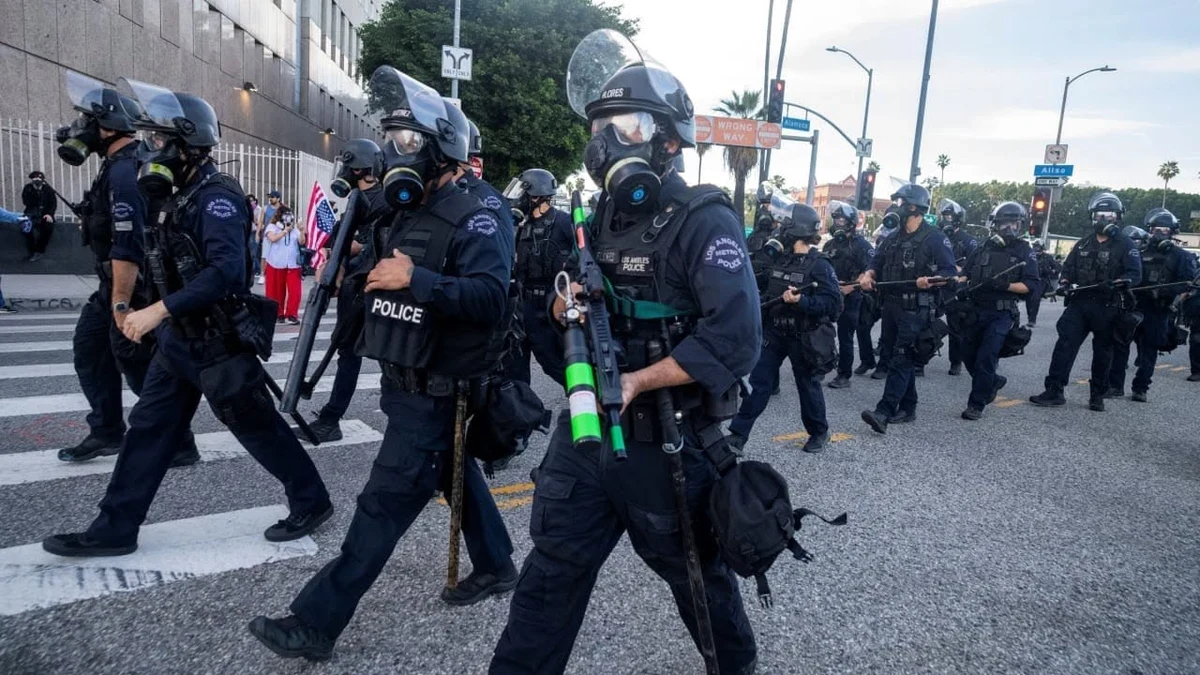
On October 18, 2026, a wave of “No Kings” demonstrations erupted across the United States, drawing thousands of participants who chanted against President Donald Trump and called for early voting ahead of the November midterm elections. The protests, organized by a loose coalition of voter‑engagement groups, appeared simultaneously in major cities from the East Coast to the Midwest, signaling a coordinated national effort to mobilize opposition to the Republican ticket.
California saw some of the largest turnouts, with demonstrators gathering from the Bay Area down to Southern California. Protestors voiced a blend of grievances—ranging from immigration policy and the cost of living to broader concerns about democratic backsliding under Trump’s administration. Video coverage captured crowds holding signs that demanded accountability and urged citizens to cast ballots early rather than waiting for Election Day.
Amid the growing street movement, President Trump staged his 13th rally in the last month, taking the stage in Kentucky to energize his base. In his speech, Trump endorsed early voting, describing the “no kings” protests as evidence that voters need to step up and vote against the Democratic Party. The rally, part of a broader campaign strategy, was framed as a counter‑message to the protests, with the former president urging supporters to “show up at the polls” and reject the protesters’ narrative.
Political analysts note that the juxtaposition of massive protests and Trump’s rally could sway voter turnout, especially as early voting windows expand in several states. Local election officials in Kentucky have announced plans to increase early‑voting sites and hours in response to heightened demand. However, officials also caution that the true impact of the “no kings” demonstrations on the final vote count remains uncertain, given the lack of verified attendance figures and the volatile nature of voter sentiment at this stage of the campaign.
Sources9
Original reporting and primary evidence.
- Al JazeeraPrimary source‘No Kings’ protests spread across the US ahead of midterm elections
- www.msn.comNo Kings protests draw crowds across California ahead of midterm elections
- wtxnews.comTrump holds 13th rally in Kentucky ahead of midterm elections
- www.yahoo.com'No Kings' protests held in St. Louis region ahead of November midterms
- www.nbcnews.com2026 North Carolina Elections
- www.msn.comTrump tried to control elections before. He's doing it again | Opinion
- www.yahoo.comReported attacks on ships around Hormuz reach record highs
- www.jns.orgWhy peace efforts with Islamist enemies are doomed to fail
- www.msn.comPeaceful mountain lake surrounded by lush green forests and majestic peaks
Claim connections7
Thousands rallied across the US against President Donald Trump in ‘No Kings’ demonstrations.
confirmedConnected sources1
Demonstrators gathered in California, from the Bay Area to Southern California, protesting President Trump's policies and raising concerns about democracy, immigration, and cost of living.
confirmedConnected sources1
President Trump held his 13th rally in Kentucky in the last month, amid ongoing “no kings” protests.
confirmedConnected sources1
The protests are urging voters to participate early, although exact attendance figures have not been confirmed.
confirmedConnected sources1
President Trump endorsed early voting in Kentucky, stating that “no kings” protests signify a need for electoral engagement.
confirmedConnected sources1
Political analysts suggest the demonstrations could influence voter turnout, while local officials plan to enhance early‑voting accessibility.
confirmedConnected sources1
It remains uncertain how the “no kings” protests will impact voter turnout in the upcoming midterms.
confirmed