Climate Change Forces Norwegian Town to Ban Tap Water Due to Heavy Metal Contamination
Longyearbyen, the fastest-warming town on Earth, has banned tap water after thawing permafrost exposed pyrite-rich bedrock, leaching manganese, nickel, and sulfate into its sole water supply—a dammed lake. Residents now rely on filtered water distributed by local authorities, while experts warn this could signal broader Arctic water crises.
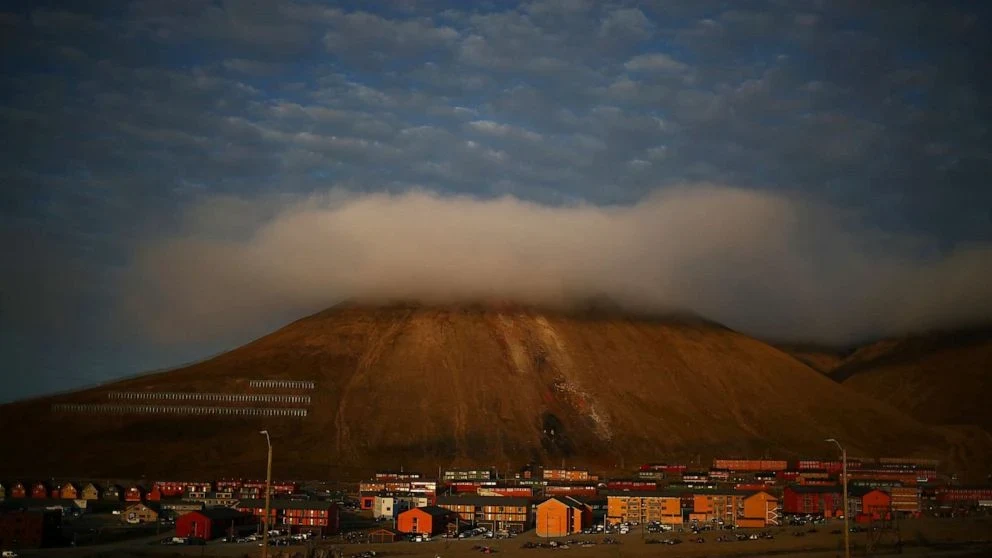
Longyearbyen, a remote Norwegian town in the Svalbard archipelago, has become the first known community where tap water is officially undrinkable due to climate-driven contamination. The town’s sole water source, a 2.5-kilometer dammed lake called Isdammen, now contains manganese levels 25 times higher than Norway’s safety threshold, along with elevated sulfate and nickel concentrations. Authorities confirmed the ban remains in place despite temporary reductions in manganese after emergency filtration measures were introduced.
The contamination stems from thawing permafrost exposing shale bedrock rich in pyrite—a mineral that oxidizes when exposed to water and oxygen, producing acidity that dissolves heavy metals into the lake. Marjolaine Verret, a permafrost expert at the University Centre in Svalbard, explained that this chemical reaction is directly tied to the region’s rapid warming, where autumn temperatures have risen by up to 4°C per decade—five to seven times the global average. The town’s mayor, Terje Aunevik, described the situation as unprecedented, noting that while manganese levels are no longer ‘dangerous,’ they still violate national guidelines.
Local authorities are exploring costly solutions, including a new filtration system for Isdammen or a desalination plant, but both options face technical hurdles due to Svalbard’s subzero temperatures. Verret cautioned that Longyearbyen’s crisis may foreshadow similar threats to Arctic communities, where thawing permafrost and pyrite-rich geology could compromise freshwater supplies. The town’s experience underscores how climate change is not only altering ecosystems but also disrupting fundamental human infrastructure.
Residents have adapted by collecting purified water from centralized distribution points, though the inconvenience has sparked frustration. Aunevik acknowledged the disruption, stating that Norwegians have long taken tap water for granted, and the shift to manual collection marks a stark departure from daily life. The situation has also prompted broader discussions about preparedness in vulnerable Arctic regions, where similar geological and climatic conditions could lead to future water crises.
Sources1
Original reporting and primary evidence.
- TheGuardianPrimary sourceTap water no longer drinkable in Norwegian town as climate-related thawing releases heavy metals
Claim connections2
Longyearbyen’s tap water ban is due to manganese levels 25 times higher than Norway’s 50 micrograms-per-liter safety limit, alongside elevated sulfate and nickel concentrations, linked to thawing permafrost exposing pyrite-rich bedrock.
confirmedConnected sources1
Marjolaine Verret, a permafrost expert at the University Centre in Svalbard, attributes the contamination to pyrite oxidation generating acidity that leaches heavy metals from bedrock into Isdammen, the town’s water source.
confirmed