Philippines Misses Growth Upswing Amid ASEAN Chair Expectations
The Philippines’ pivot to ASEAN chair in 2026 raised hopes of new investment and faster growth, but high energy costs and other shocks cut the gains, leaving the economy below expectations and foreshadowing a modest rebound in 2027.
The Philippines took over from Malaysia as chair of the Association of Southeast Asian Nations (ASEAN) at the start of 2026, sparking high hopes that the country could attract investment and close the gap with its more prosperous neighbors. The one‑year term was seen as a launchpad to accelerate growth and improve competitiveness.
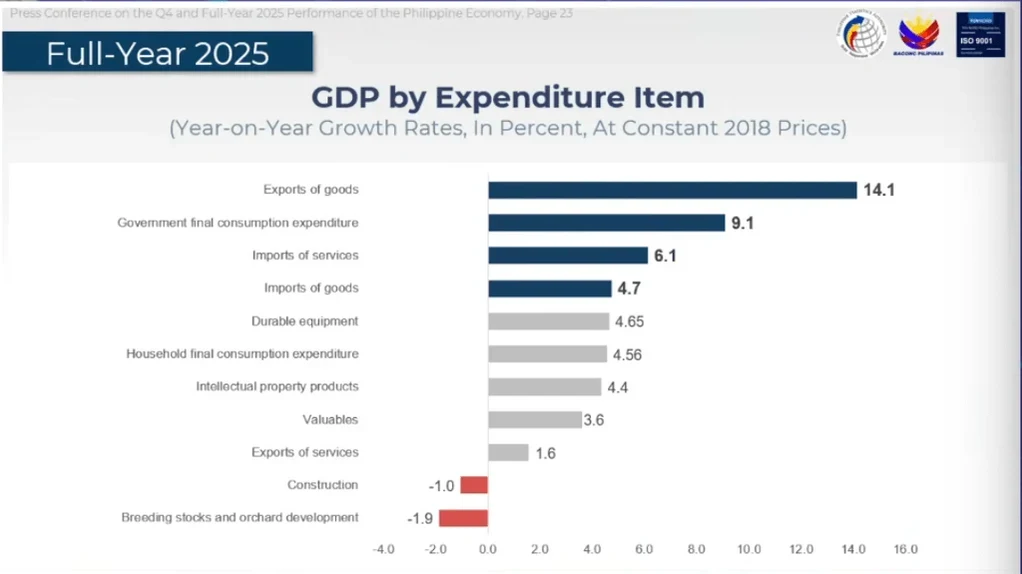
Yet with two months left in 2026, the optimism has been dashed. Energy prices have surged as a spill‑over from the U.S.‑Iran conflict, reigniting inflation and eroding the economy’s momentum. Internal constraints such as corruption, institutional dysfunction and high electric‑utility costs have further weighed on the market, pulling the projected 2026 growth down to a modest 3.7% based on recent forecasts.
Economic analysts predict a modest rebound in 2027, with the World Bank projecting GDP growth of 5.2% as public spending picks up and inflation eases. Nevertheless, the Philippines still faces the challenge of converting its structural advantages into sustained gains, as the country remains locked in a cycle of underachievement in the region.
Sources1
Reporting and evidence linked in this story.
Claim connections4
The Philippines’ appointment as ASEAN chair in 2026 generated expectations that the nation would attract investment and narrow the growth gap with regional peers.
attributedConnected sources1
With two months remaining in 2026, those early expectations have been dashed by economic shocks and rising energy costs.
attributedConnected sources1
High energy prices, stemming from the U.S.‑Iran conflict, have intensified inflation and constrained economic momentum in the Philippines.
attributedConnected sources1
The World Bank projects Philippine GDP growth to rebound to 5.2% in 2027 amid higher public spending and easing inflation.
attributed