Prague exhibition foregrounds overlooked history of Roma resistance fighters against Nazis
An exhibition opening Oct. 15, 2026, at the Museum of the Romani National Revival in Prague presents the stories of 100 documented Roma fighters who served in the anti-Nazi resistance, a chapter largely absent from mainstream historical writing.
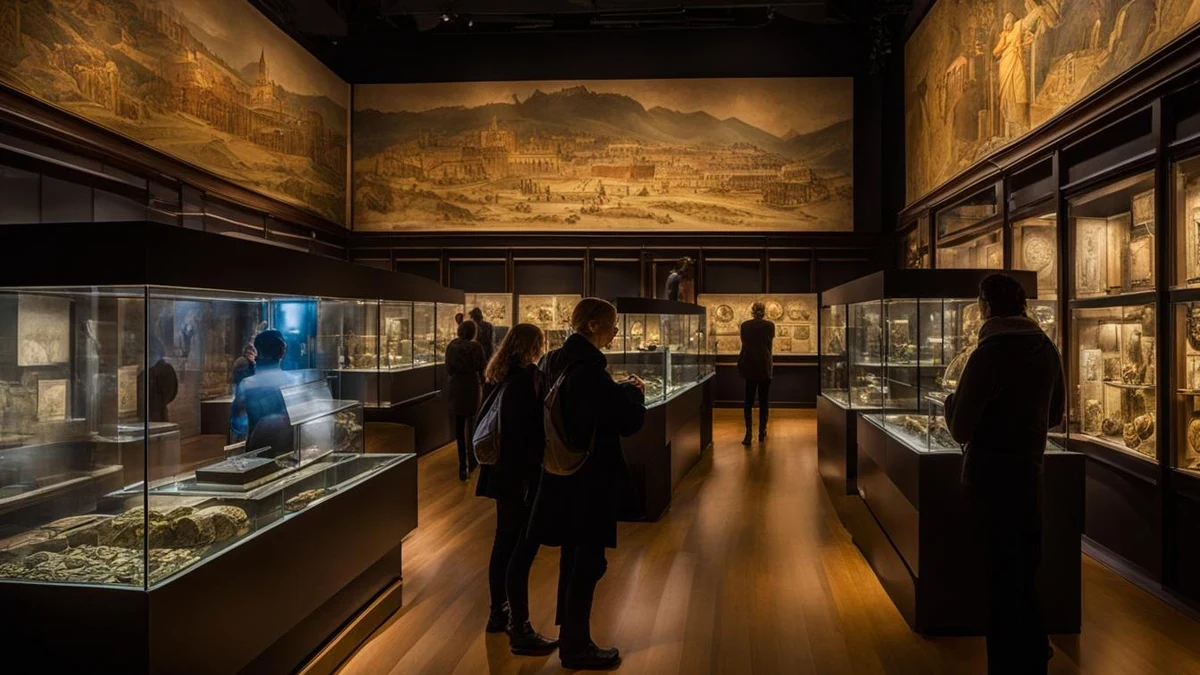
The Museum of the Romani National Revival in Prague opened an exhibition on October 15, 2026, dedicated to the wartime role of Czech and Slovak Roma in the resistance against the Nazi German occupation. The curators identified more than 1,400 Romani fighters in archival records and selected 100 individuals whose biographies are featured in the display, which spans the period from 1938 to 1945. The exhibit marks a departure from the long-standing historical framing that positions the Roma almost exclusively as victims of the Holocaust.
Museum director Emil Scuka addressed several hundred attendees at the opening, many of them Roma from Czechia and Slovakia. He stated that the community was not only victims but heroes, and called on visitors to bring younger family members to see that Roma history includes figures who actively fought against Nazism. Scuka said the topic had been marginalized in Czech and Slovak historical writing for decades, prompting the community to document these stories itself. Featured profiles include Anton Facuna, a sergeant in the U.S. Office of Strategic Services who flew to Slovakia on a secret mission in 1944, and Josef Serinek, who escaped the Lety concentration camp to found a partisan unit.
Historian Prokop Tomek of the Military History Institute in Prague assessed the exhibition as groundbreaking research on Roma resistance fighters. He noted that he is not aware of prior scholarly historical work dealing with the topic and judged the documented number of 1,400 fighters to be consistent with the Roma population proportion in wartime Czechoslovakia. The broader historical context remains severe, with Nazi Germany having murdered approximately 90% of Czech Roma in the Protectorate of Bohemia and Moravia during the war.
Sources1
Reporting and evidence linked in this story.
- Deutsche WellePrague honours Roma resistance fighters against Hitler
Claim connections7
An exhibition on Roma resistance fighters opened at the Museum of the Romani National Revival in Prague on October 15, 2026.
confirmedConnected sources1
Museum director Emil Scuka said, 'We were not only victims; we were also heroes,' at the opening ceremony.
confirmedConnected sources1
The exhibition presents the life stories of 100 Roma partisans and soldiers, selected from over 1,400 Romani fighters found in the archives.
confirmedConnected sources1
Anton Facuna served as a sergeant in the U.S. Office of Strategic Services and flew to Slovakia in October 1944 on a secret mission.
confirmedConnected sources1
Josef Serinek escaped the Nazi concentration camp for Roma in Lety and founded and commanded a partisan unit in the Bohemian-Moravian Highlands.
confirmedConnected sources1
Historian Prokop Tomek stated that he is not aware of prior scholarly historical work that deals with Roma resistance against Nazism.
attributedConnected sources1
Nazi Germany murdered approximately 90% of the Czech Roma in the Protectorate of Bohemia and Moravia during World War II.
confirmed