Retailers Pull Back on Self-Checkout Amid Rising Merchandise Losses
A decline in self-checkout adoption reflects growing merchandise losses driven by theft and scanning errors.
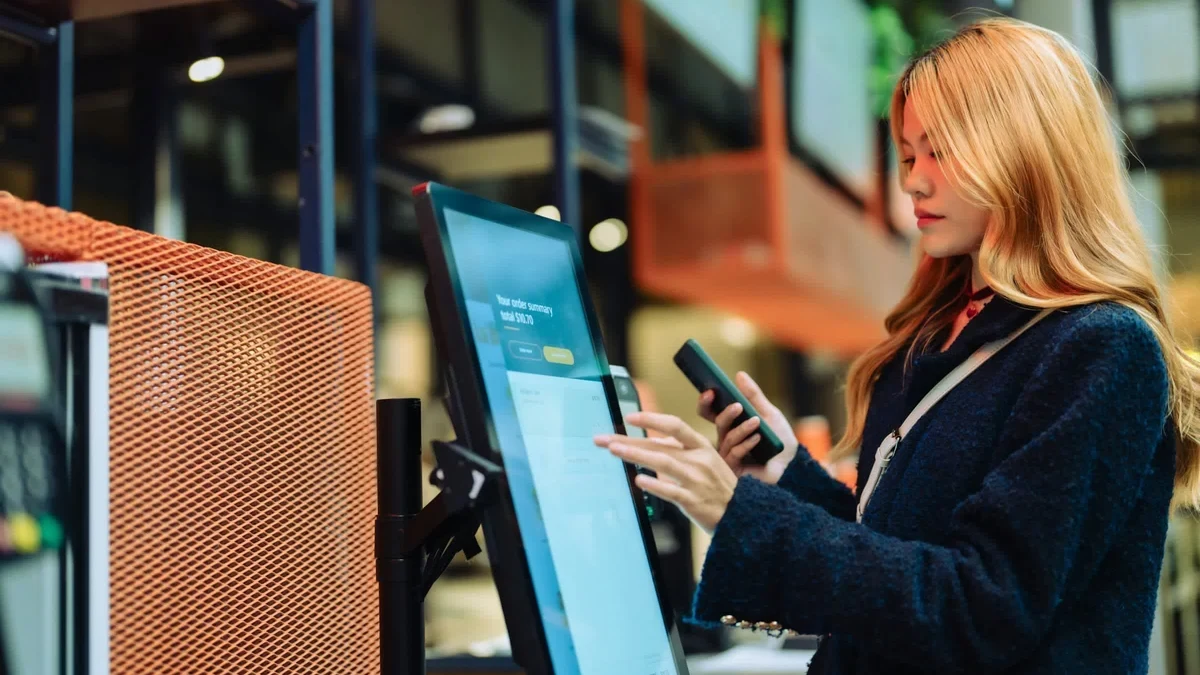
Small and midsize retailers are scaling back their use of self-checkout lanes as merchandise losses impact profitability. A survey from Toast of 340 operators found that self-checkout usage dropped to approximately 36% this year, down from 43% in 2025. This reduction follows data from ECR Retail Loss indicating that grocery stores saw an average 22% increase in merchandise losses during the year following self-checkout installation.
These losses stem from a combination of theft and accidental errors, such as incorrect product selections or missed scans. ECR Retail Loss reported that product losses at grocery stores equipped with self-checkout lanes were 33% higher than at locations without them. Consequently, companies like Dollar General and Five Below reduced their self-checkout presence in 2024.
Sources1
Reporting and evidence linked in this story.
Claim connections3
Self-checkout usage among small and midsize retail operators decreased from 43% in 2025 to 36% this year.
confirmedConnected sources1
Grocery stores experienced an average 22% increase in merchandise losses in the year after installing self-checkout lanes.
confirmedConnected sources1
Product losses at grocery stores with self-checkout lanes were 33% higher than at retailers without them.
confirmed