S&P Global Warns of Global Food Shock as Hormuz Disruption Hits Fertiliser Supply Chains
An S&P Global Institute report warns that the ongoing Iran war and associated disruptions in the Strait of Hormuz are creating conditions for a global food security crisis. The conflict has driven up fuel costs and blocked essential feedstocks like sulphur and natural gas, critical for global fertiliser production.
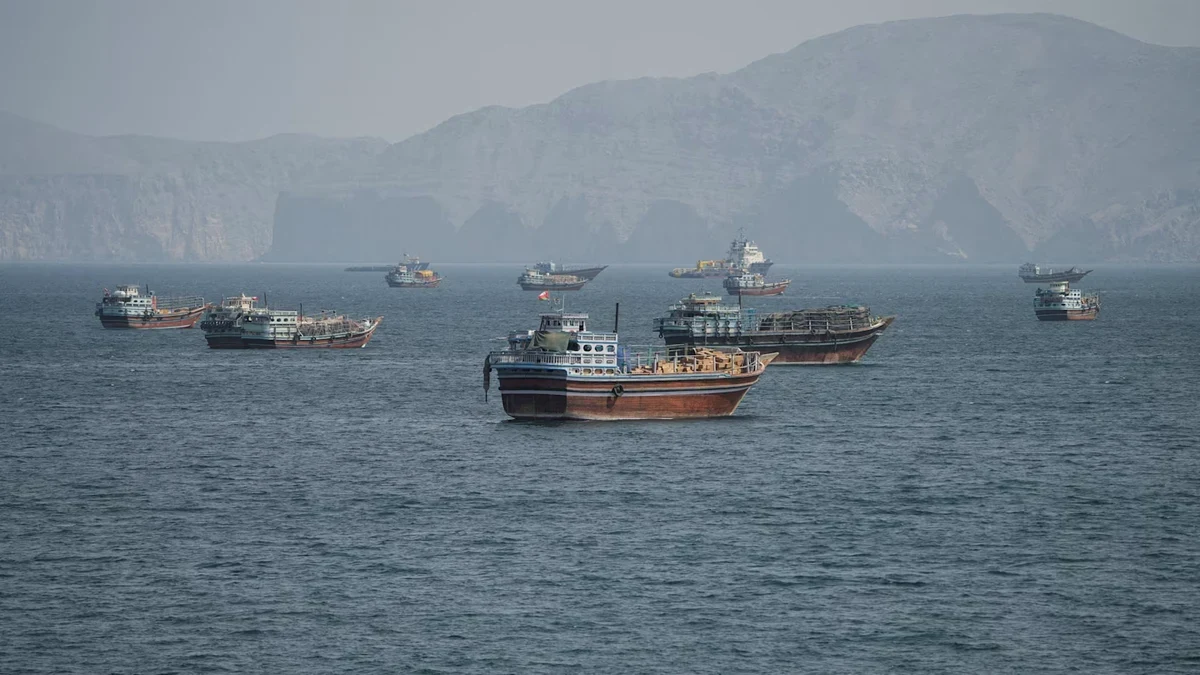
S&P Global Institute has issued a report warning that the global energy shock triggered by the Iran war and disruption in the Strait of Hormuz poses a major risk of a subsequent food security crisis. The institute noted that geopolitical conflicts combined with one of the strongest ever-recorded El Niño events are stressing global food production systems, which rely on steady supplies of natural gas, sulphur, and diesel.
The disruption of the Strait of Hormuz has blocked more than 2 billion barrels of crude oil from global markets, while also hindering the flow of fertiliser precursors. The report states that almost half of the global trade in sulphur, a key nutrient for fertiliser, typically passes through the strait, and disruptions have directly impacted South Asian producers who rely heavily on Gulf LNG for urea production.
To address the shortfall in supply from the Middle East, the Americas have become central to global energy markets. Schreiner Parker, an analyst at Rystad Energy, argued that the surge in production in the western hemisphere, with countries like Canada and the US setting record outputs, has shifted medium-term pricing discretion away from the Gulf Cooperation Council, forcing the US and other nations to step up as key global suppliers.
Sources2
Reporting and evidence linked in this story.
- Financial Times — HomeIran war tilts balance of global oil power towards Americas
- www.tovima.comHow the Hormuz crisis could trigger a global ‘food shock’
Claim connections3
S&P Global Institute warned that the global energy shock from the Iran war and Hormuz disruption poses a major risk of a food security crisis, particularly due to impacts on natural gas and sulphur supplies for fertiliser.
confirmedConnected sources1
The rise in production in the western hemisphere, with Canada, Guyana, Brazil, and the US setting fresh records, has taken medium-term pricing discretion away from the Gulf Cooperation Council.
attributedConnected sources1
Disruption of the Strait of Hormuz has blocked more than 2 billion barrels of crude from global markets, affecting the trade of sulphur and ammonia critical for fertiliser production.
confirmed