Samarkand tourism surge triggers UNESCO-backed heritage preservation initiatives
The Silk Road city prepares for massive visitor inflows through new university partnerships and advanced architectural monitoring.
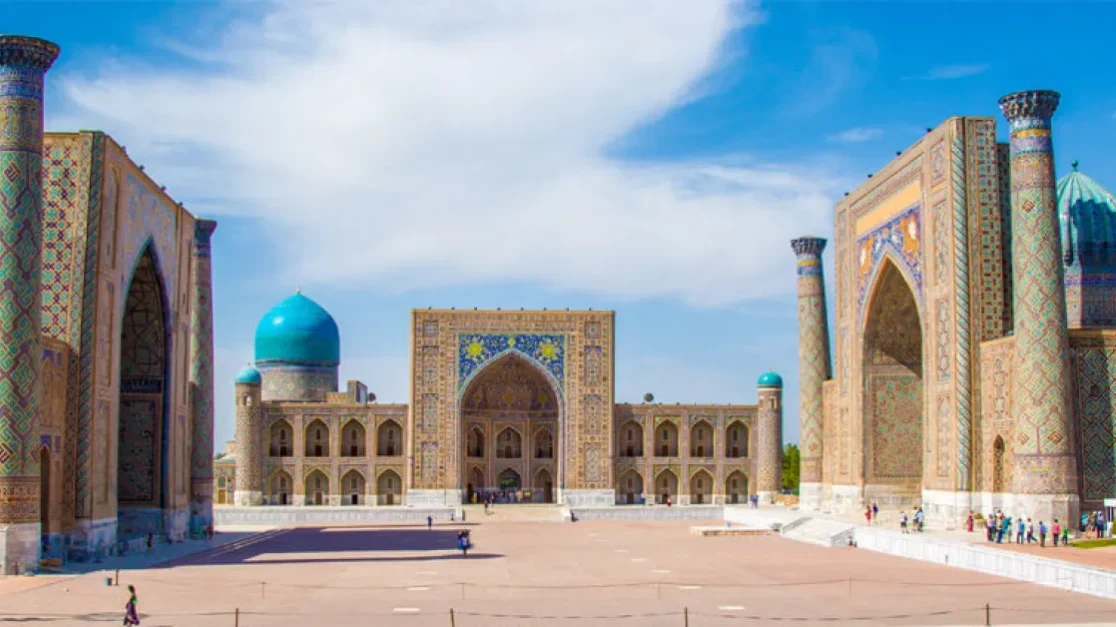
Samarkand, a UNESCO World Heritage site, is expanding its capacity to manage historic preservation alongside growing visitor numbers. The Silk Road International University of Tourism and Cultural Heritage has become the first partner university for UN Tourism, facilitating cooperation through course translation and the establishment of Central Asia's first INSTO tourism observatory to track visitor impacts on the urban environment.
Preservation efforts are specifically targeting the correction of past architectural repairs. Researchers are currently using laser scanning to create three-dimensional models of historic structures to identify dangerous deformations. This technology supports investigations into replacing materials such as gypsum, concrete, and rebar with modern composites that do not damage the original fabric of monuments.
Sources1
Reporting and evidence linked in this story.
Claim connections2
The Silk Road International University of Tourism and Cultural Heritage is the first partner university of UN Tourism.
confirmedConnected sources1
Laser scanning is being utilized to build 3D models and identify deformations in Samarkand's historic buildings.
confirmed