Scientists Identify How Microplastics Trigger Cellular Damage in the Body
Lab experiments reveal that tiny plastic particles react with water inside the body to produce highly reactive molecules that cause oxidative stress and inflammation.
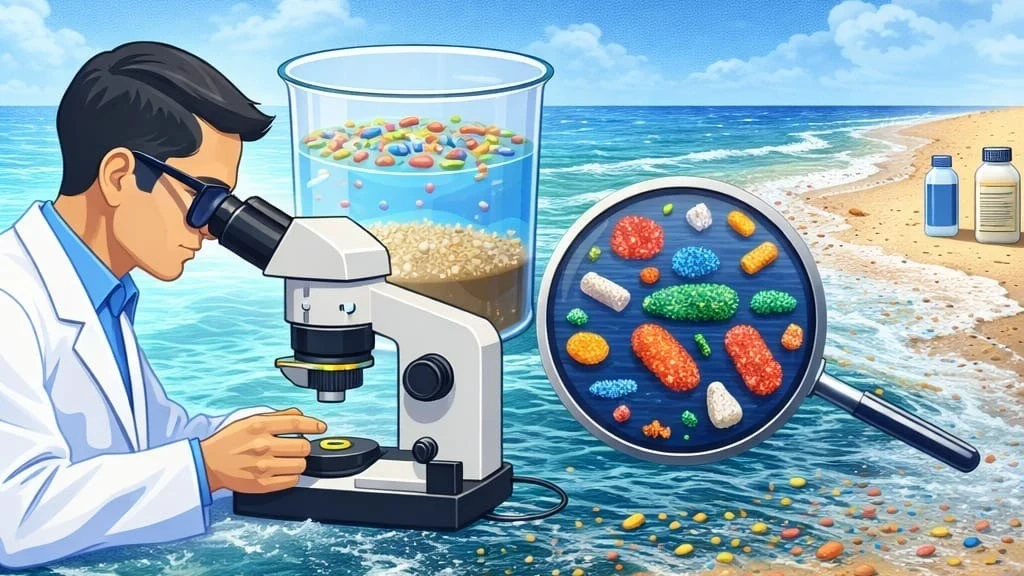
Lab experiments suggest that microscopic plastic particles may harm human health by reacting with water inside the body to produce highly reactive molecules, according to Smithsonian Magazine. These reactive molecules can trigger oxidative stress and inflammation, mechanisms linked to a range of chronic health problems.
The finding offers a concrete biological explanation for health concerns long associated with microplastic exposure, which has been detected in human blood, lungs, and other tissues. While the research is still at the experimental stage, it could help guide future studies on how to mitigate the risks posed by widespread plastic contamination.
The sources behind the story
Read the original reporting and primary evidence.
See how claims connect to sources
Lab experiments suggest that tiny bits of plastic can react with water inside the body to produce highly reactive molecules that lead to damaging oxidative stress and inflammation.
confirmed