UNTMIS concludes political mission in Somalia as national institutions assume leadership
The UN Transitional Assistance Mission in Somalia officially wraps up its mandate, shifting responsibility for recovery to Somali-led governance structures.
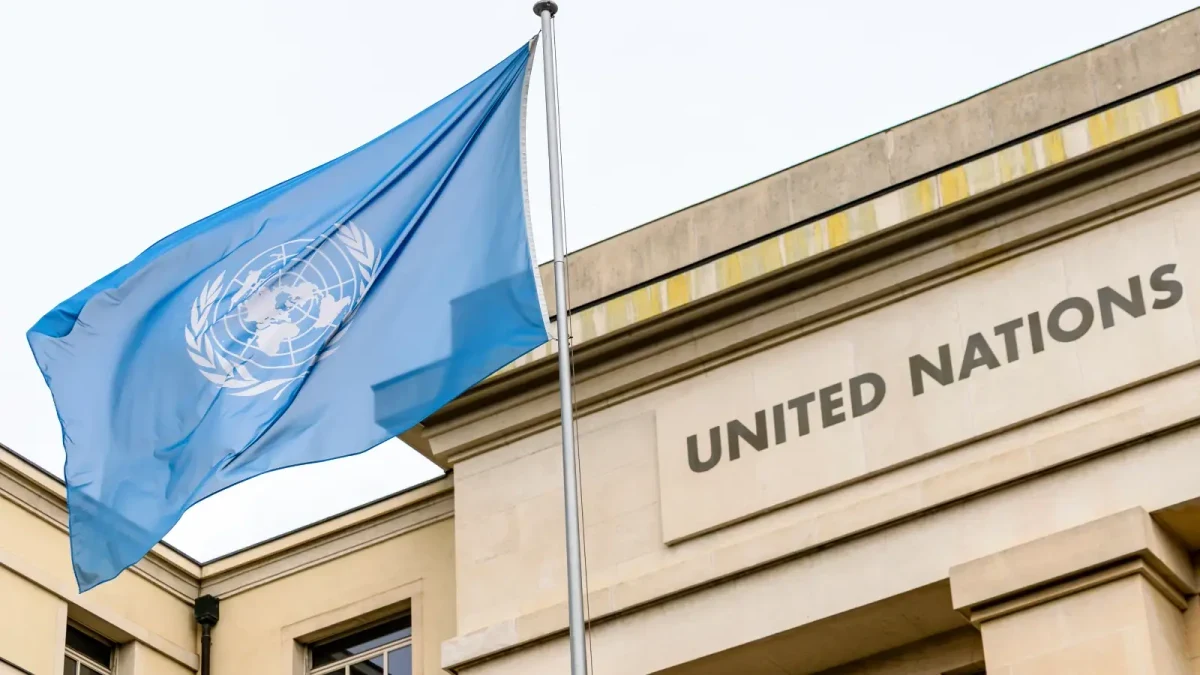
The United Nations Transitional Assistance Mission in Somalia (UNTMIS) officially completed its mandate on Saturday, marking the end of the mission's political work. Raisedon Zenenga, Officer-in-Charge of UNTMIS, noted that while significant challenges remain, the mission's closure follows considerable progress in Somalia's recovery since the early years of international support. The transition shifts the full responsibility for the country's recovery to Somali national and federal institutions, which Zenenga stated did not exist when UN political engagement first began.
Despite the dissolution of the political mission, United Nations presence in Somalia persists through approximately 25 entities focused on humanitarian and development support. These agencies continue to operate across the country, managing localized projects such as market rehabilitations by the International Organization for Migration and school meal programs supported by the Food and Agriculture Organization. These ongoing efforts aim to bolster stability even as the political mandate of UNTMIS concludes.
The transition occurs amidst a complex humanitarian landscape that the UN's humanitarian affairs office, OCHA, classifies as one of the world's most complex crises. Somalia faces a persistent cycle of conflict and climate shocks, including droughts and floods, which have left roughly 4.8 million people in need of humanitarian assistance out of a population of nearly 20 million. Addressing these needs remains a critical priority for the international community as Somalia navigates its next phase of state-building.
Looking forward, Somali leaders face the dual challenge of tackling widespread poverty and stabilizing a fragile economy. The nation remains heavily reliant on subsistence farming, livestock, and remittances, while importing more than 90 percent of its essential goods. Zenenga emphasized that the end of UNTMIS signifies the conclusion of one chapter rather than the end of the UN's partnership with Somalia, highlighting the ongoing need for international engagement to sustain governance and security progress.
Sources1
Reporting and evidence linked in this story.
Claim connections4
The UN Transitional Assistance Mission in Somalia (UNTMIS) concluded its mandate on Saturday.
confirmedConnected sources1
Approximately 25 UN entities continue to operate in Somalia providing humanitarian and development support.
confirmedConnected sources1
Around 4.8 million Somalis require humanitarian help out of a population of just under 20 million.
confirmed