Spain Orders Three Days of Mourning After 68 Dead in High-Speed Train Crash
A fatal collision in Castilla-La Mancha is Spain's second high-speed rail disaster this year, raising urgent questions about safety protocols and infrastructure maintenance.
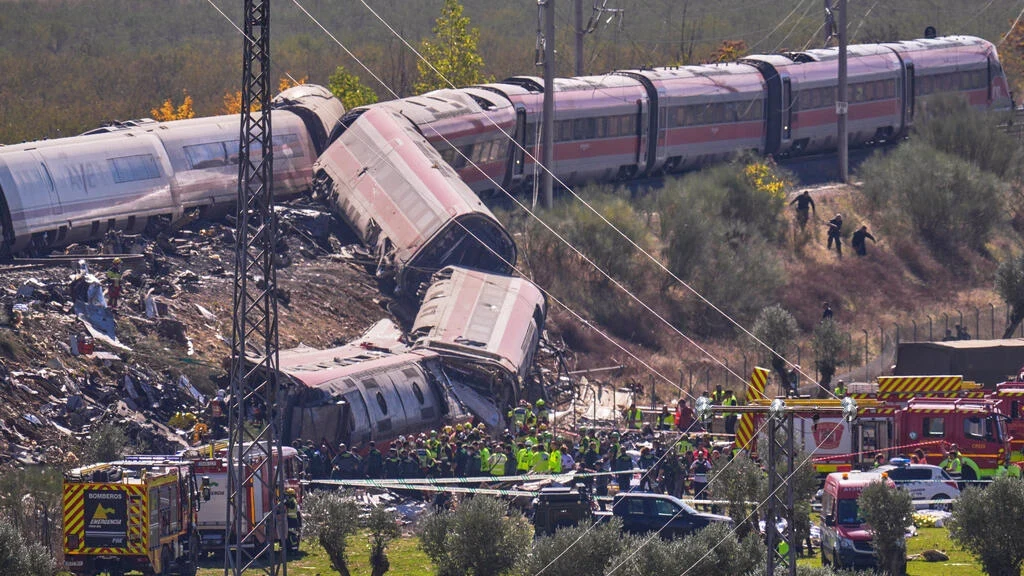
At least 68 people died and 80 were injured when a moving high-speed express train struck a stationary vehicle in rural Castilla-La Mancha, resulting in Europe's deadliest rail accident since 2013. Spanish Prime Minister Pedro Sanchez declared a three-day national mourning period, describing the event as a terrible tragedy, while officials launched an immediate investigation into the sequence of errors that led to the disaster.
Transport authorities identified a computer communications failure as the root cause of the incident, which triggered an automated red signal and stopped traffic. Despite this automatic safety measure, a subsequent decision was made to restart the Renfe service, causing it to collide with a train already stopped at the location. Sanchez stated that the causes behind this crash and a previous incident earlier in the year appear unrelated to one another.
The crash has reignited public debate over Spain's rail infrastructure, particularly concerning the balance between expanding capacity and maintaining the network. Although the country invested an average of €1.5 billion annually in its high-speed system between 2018 and 2022, only 16% of those funds were directed toward maintenance and upgrades. Union representatives argued that liberalizing the market to allow private operators has placed additional strain on the existing infrastructure.
Renfe has suspended ticket sales on the affected Madrid-Andalusia corridor through December 13 while recovery efforts continue. In the days following the accident, passenger volume on Spanish high-speed lines has declined by roughly 14% compared to the same period last year, highlighting the immediate impact on public confidence in the rail system.
Sources1
Reporting and evidence linked in this story.
Claim connections4
At least 68 people died and 80 were injured when a high-speed express train collided with a stationary vehicle in Castilla-La Mancha.
confirmedConnected sources1
A computer communications failure issued a red signal that stopped traffic, but a subsequent erroneous decision to restart the Renfe train caused it to collide with the stationary vehicle.
confirmedConnected sources1
Only 16% of Spain's high-speed rail maintenance investment (€1.5 billion annually between 2018 and 2022) was earmarked for maintenance, renewals, and upgrades.
confirmedConnected sources1
Prime Minister Pedro Sanchez stated that the causes of the two crashes this year appeared to be unrelated.
confirmed