Starbucks Deploys $1 Billion Strategy to Restore 'Third Place' Experience
CEO Brian Niccol initiates a massive capital pivot to bring back seating and atmosphere after years of prioritizing mobile convenience.
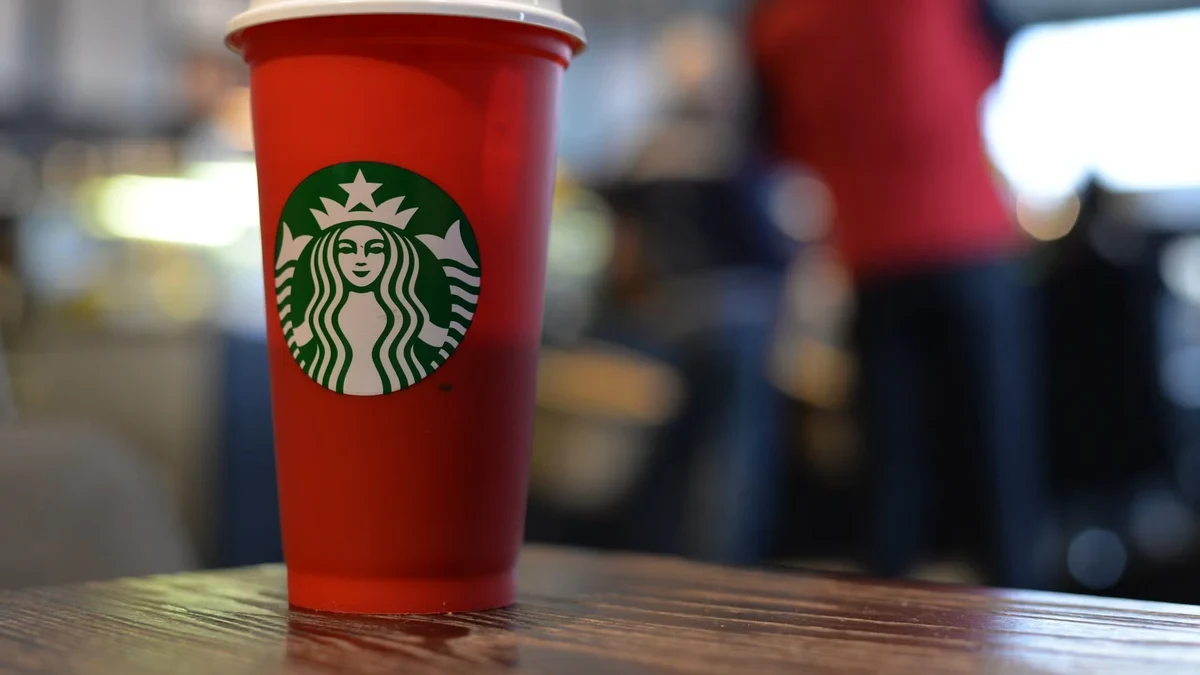
Starbucks is committing more than $1 billion to a strategic reversal aimed at restoring the company's identity as a community gathering space. Under CEO Brian Niccol, the 'Back to Starbucks' initiative seeks to undo previous operational shifts that prioritized mobile ordering and speed at the expense of the traditional 'third place' experience—the concept of coffeehouses serving as a social destination between home and work.
The turnaround involves physical renovations to thousands of existing locations, incorporating warmer lighting, wood finishes, plants, and upholstered furniture at an estimated cost of $150,000 per store. These changes contrast with previous years when the company removed approximately 30,000 comfortable seats and limited access to electrical outlets to encourage faster customer turnover.
As part of this pivot, Starbucks is experimenting with a new store design featuring smaller coffeehouses with shorter counters, compact food displays, and flexible seating. This model aims to maintain the expected customer experience while enabling the brand to occupy smaller footprints in varied locations.
What changedUpdate note
Shifted focus from seasonal holiday promotions (previous brief) to the substantive $1 billion operational turnaround strategy reported by Fast Company.
Sources1
Reporting and evidence linked in this story.
Claim connections3
Starbucks is spending more than $1 billion on its 'Back to Starbucks' strategy to restore the brand's atmosphere.
confirmedConnected sources1
The company previously removed roughly 30,000 comfortable seats and blocked electrical outlet access to prioritize speed.
confirmedConnected sources1
Starbucks is testing smaller store designs with compact food displays and flexible seating to occupy smaller locations.
confirmed