Study: Most European wild bee species in decline as UN biodiversity summit opens
A study covering 88% of bee and hover fly species indicates widespread pollinator declines across Europe. The findings arrive as diplomats gather in Yerevan for the 17th UN biodiversity conference to assess progress on global conservation targets.
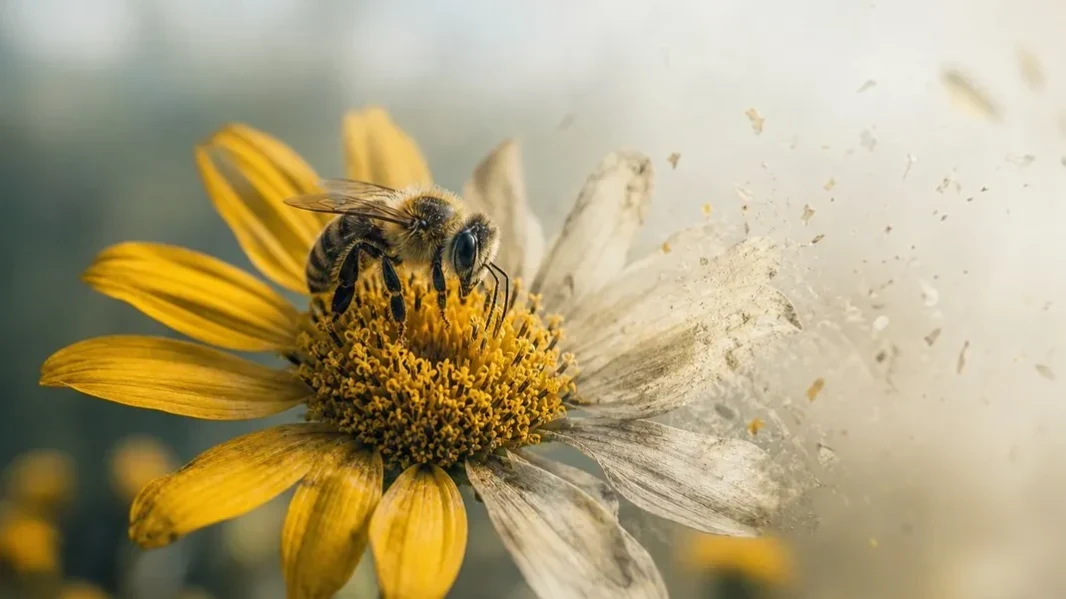
A new study has determined that most of Europe’s wild bee species and approximately half of its hover fly species have experienced population declines over the last century. The research utilized records dating back to 1921, revealing that while bee species were increasing in the Alpine region, more species were declining than increasing in all other parts of the continent. The data encompassed 88% of the continent's bee and hover fly species, suggesting that pollinator communities are being reshaped by the loss of sensitive species and the relative rise of more resilient ones.
The decline of these pollinators carries significant implications for ecosystems and agriculture, as nearly 90% of wild flowering plants and more than three-quarters of major food crop types rely in part on animal pollination. Researchers warned of deeper functional disruptions if current trends are not addressed. The findings provide context for the ongoing 17th UN conference on biodiversity (Cop17) in Yerevan, where diplomats are focusing on the conservation of the natural world and the sustainable use of genetic resources.
Despite the widespread declines, the study found that 91% of species logged over the last century were still recorded at least once in the modern period between 2001 and 2020. Researchers noted that while species occupancy has generally fallen, they do not expect widespread extinctions to have occurred yet. The Cop17 summit is expected to assess progress toward this decade’s targets, which include protecting 30% of land and sea, reforming $500 billion in environmentally damaging subsidies, and restoring 30% of the planet’s degraded ecosystems.
Sources1
Reporting and evidence linked in this story.
Claim connections4
Most of Europe’s wild bee species and about half of its hover fly species have declined over the last century, according to a study.
confirmedConnected sources1
The study data covers 88% of bee and hover fly species across the continent.
confirmedConnected sources1
Nearly 90% of wild flowering plants and more than three-quarters of major food crop types depend in part on animal pollination.
confirmedConnected sources1
The Cop17 summit in Yerevan is expected to focus on assessing progress toward targets including protecting 30% of land and sea and reforming $500 billion of environmentally damaging subsidies.
confirmed