UNICEF Report: Attacks on Conflict-Zone Water Systems More Than Tripled Since 2021
A UNICEF report documents that global assaults on water and sanitation infrastructure increased from under 45 incidents in 2021 to over 135 in 2025. The agency highlighted cascading impacts on civilian health and called for international action to protect these vital systems and fund humanitarian repairs.
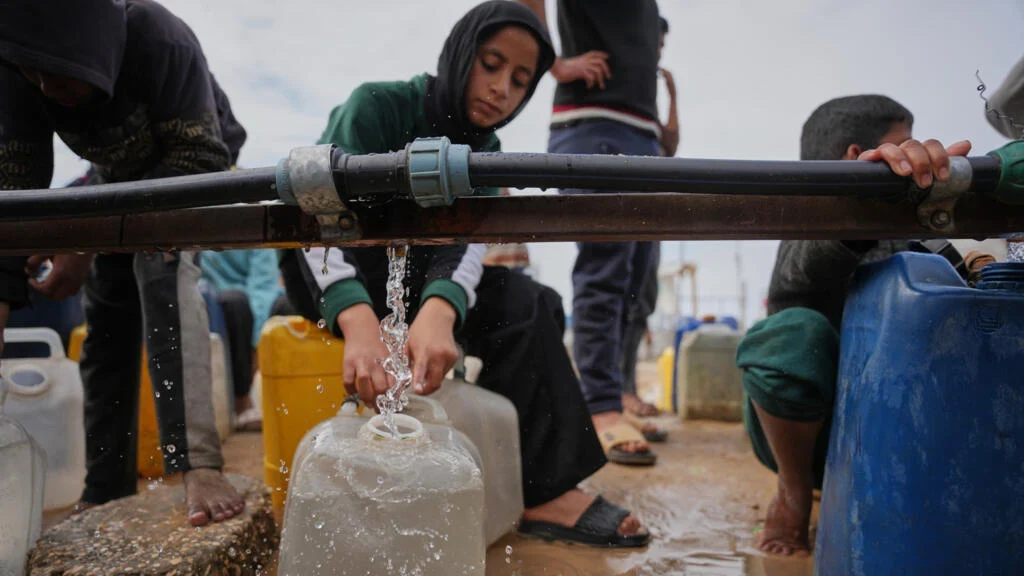
The United Nations Children's Fund (UNICEF) released its fourth Water Under Fire report, revealing that attacks on water, sanitation, and hygiene (WASH) systems have more than tripled since 2021. According to the report, documented incidents rose from fewer than 45 across eight countries in 2021 to more than 135 spanning 15 countries in 2025, with the data covering the period from January 2021 to June 2026.
UNICEF Executive Director Catherine Russell stated that these attacks deprive children of safe drinking water and the essential services that rely on water to function effectively. The agency identified seven categories of assault, including strikes on treatment plants and pipelines, contamination of water sources, and restrictions on essential spare parts. In Sudan, for example, only one of 13 water treatment plants in Khartoum state was fully operational by March 2024.
The report notes that disruptions occur even when physical infrastructure remains intact. In Iraq, a drone attack on a gas field in November 2025 reduced electricity production in the Kurdistan region by approximately 80 percent, forcing authorities to ration power between water projects and hospitals. Additionally, UNICEF recorded the killing of 14 water facility employees in Lebanon during the 2024 conflict, and documented that more than 130,000 meters of sewage pipelines have been destroyed in the Gaza Strip since October 2023.
UNICEF called on warring parties, states, and donors to protect WASH systems as a vital element for civilian survival, and to establish a systematic data-collection mechanism for attacks on these facilities. The agency also requested safe and unhindered access for humanitarian and water workers, and investment in conflict-resilient service continuity. Funding for this relief is critical, as only 26 percent of the required financial support was received this year for the 137.9 million people needing WASH assistance.
Sources1
Reporting and evidence linked in this story.
Claim connections3
Attacks on water, sanitation and hygiene systems rose from fewer than 45 incidents across eight countries in 2021 to more than 135 incidents across 15 countries in 2025.
confirmedConnected sources1
In Iraq, a drone attack on a gas field in November 2025 reduced electricity production in the Kurdistan region by about 80 per cent.
confirmedConnected sources1
Only 26 percent of the funding required this year has been received for the 137.9 million people needing WASH assistance.
confirmed